Books About Starting School (That Calm Nerves!)
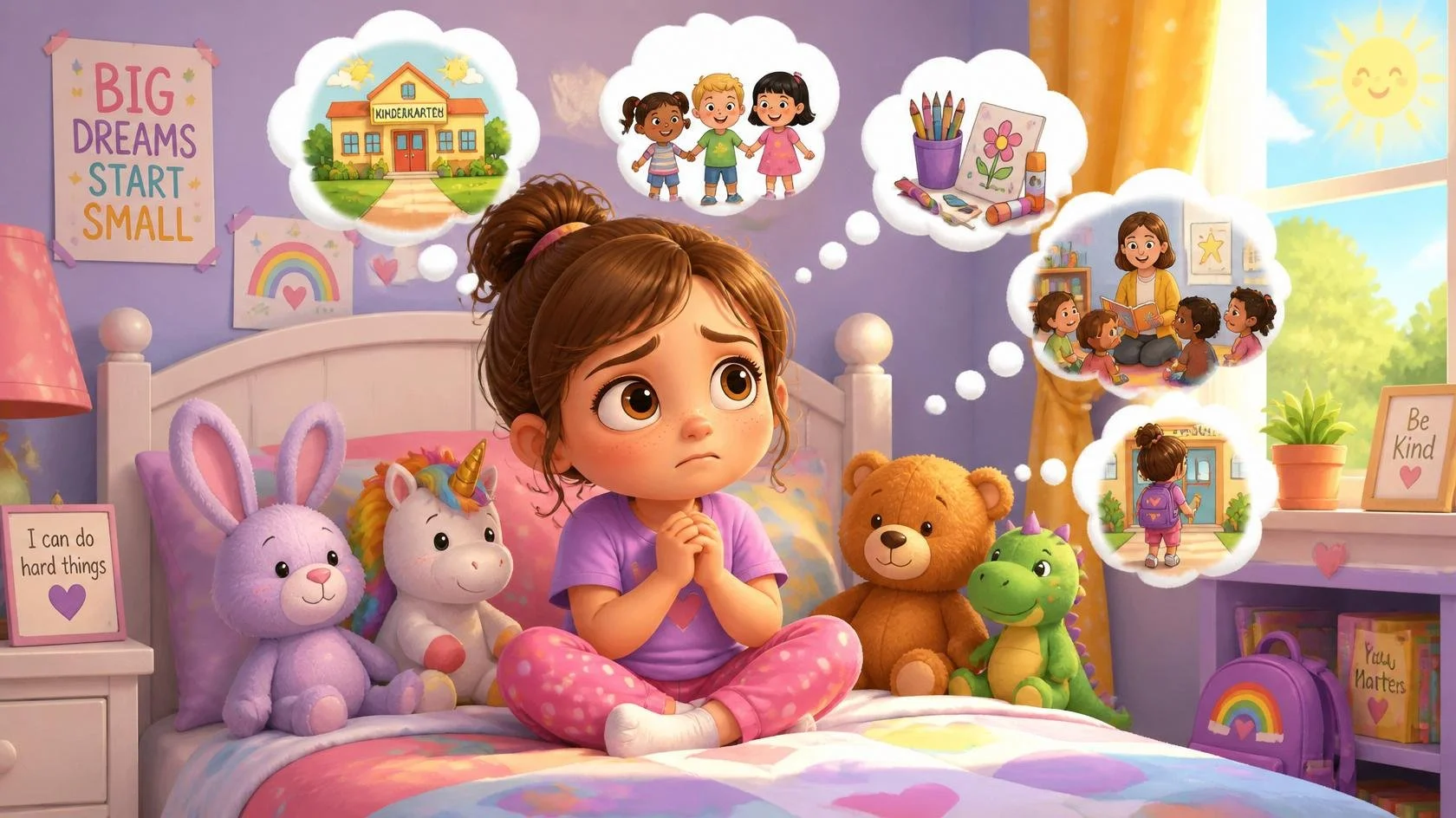
The first day of school is a milestone for your child, and for you. Most preschoolers feel excited and nervous at once, unsure who will be there, where things go, or whether you'll come back. A good picture book answers those worries before the first morning arrives.
Here's why stories work so well at this age. A three-year-old can't always say "I'm scared I'll be alone," but they can point at a character who feels that way and say, "That's me." Books name big feelings, show what a school day looks like, and let a child rehearse the hard parts from your lap. The read-alouds that calm nerves also build the early literacy skills every preschooler needs, so story time does double duty.
How to Match a Book to Your Child's Worry
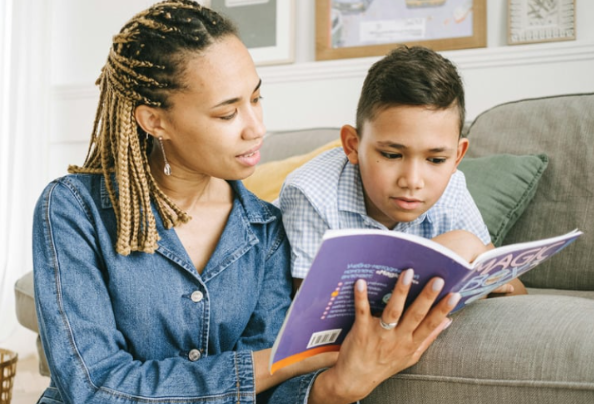
Not every nervous child is nervous about the same thing. Find the worry underneath first, then pick the book that speaks to it:
If drop-off and being away from you is the fear, reach for The Kissing Hand or Llama Llama Misses Mama.
If your child worries about a bit of everything, try Wemberly Worried.
If they flat-out refuse to go, reach for The Pigeon HAS to Go to School or I Am Too Absolutely Small for School.
If they feel different or new, try The Day You Begin or All Are Welcome.
If they think they're the only nervous one, read First Day Jitters.
If it's not knowing what happens all day, try The Night Before Kindergarten.
The Books
The Kissing Hand (Audrey Penn, ages 3 to 6). Chester Raccoon's mom presses a kiss into his palm to carry to school. It turns "I'm loved even when we're apart" into something a child can physically hold, which is perfect for tough goodbyes.
Llama Llama Misses Mama (Anna Dewdney, ages 2 to 5). A teary drop-off becomes a happy afternoon. It shows a child that the awful morning feeling doesn't last, and the rocking rhyme calms as you read.
Wemberly Worried (Kevin Henkes, ages 3 to 6). A little mouse who worries about everything finds a friend who worries too. Best for the "but what if" child, it treats an anxious temperament with warmth, not correction.
First Day Jitters (Julie Danneberg, ages 4 to 7). The nervous person who won't get out of bed turns out to be the teacher. The twist lands a big idea with a laugh: even grown-ups get jitters.
The Pigeon HAS to Go to School (Mo Willems, ages 3 to 6). The Pigeon lists every reason not to go, then talks himself into being curious. For the child who digs in, it says their protests out loud so they can laugh instead of clutching them.
I Am Too Absolutely Small for School (Lauren Child, ages 3 to 6). Lola is sure she's too small for school until big brother Charlie patiently answers every objection. It models the calm voice that works better than pushing.
The Night Before Kindergarten (Natasha Wing, ages 4 to 6). A rhyming countdown through the first morning. It walks through the real sequence of the day so the routine feels familiar before it happens.
The Day You Begin (Jacqueline Woodson, ages 5 to 8). A girl who feels different finds courage by sharing her own story. It gives a child something to do, not just an empty "you'll be fine."
All Are Welcome (Alexandra Penfold, ages 3 to 7). A day in a school where every child belongs. It paints the classroom an anxious child hopes for, so belonging feels like the expectation.
How to Read Them So They Actually Help
Start a couple of weeks early, not the night before, and read favorites more than once, because repetition is what turns a story into reassurance. Pause on the worried page and ask how the character feels, then connect it to your child: "You might feel like Chester on Monday." A few open questions turn a book into a real conversation. Try "How do you think she feels?", "What could you do if you feel nervous?", or "What are you hoping to find at school?" The more you make story time a back-and-forth instead of a performance, the more it sticks, and our guide to interactive story time goes deeper.
When a Child Needs More Than a Book
Some first-day nerves are normal and fade within a week or two of starting. Keep a closer eye if worry climbs as the day nears, if tummy aches or sleep changes last more than a couple of weeks, or if drop-off distress isn't easing after the first few weeks. Keep goodbyes short and warm, hold a steady routine, and talk with the teacher. If your real question is whether your child is ready for what school will ask of them, our guide to kindergarten readiness is a good next step, and it's always reasonable to check in with your pediatrician.
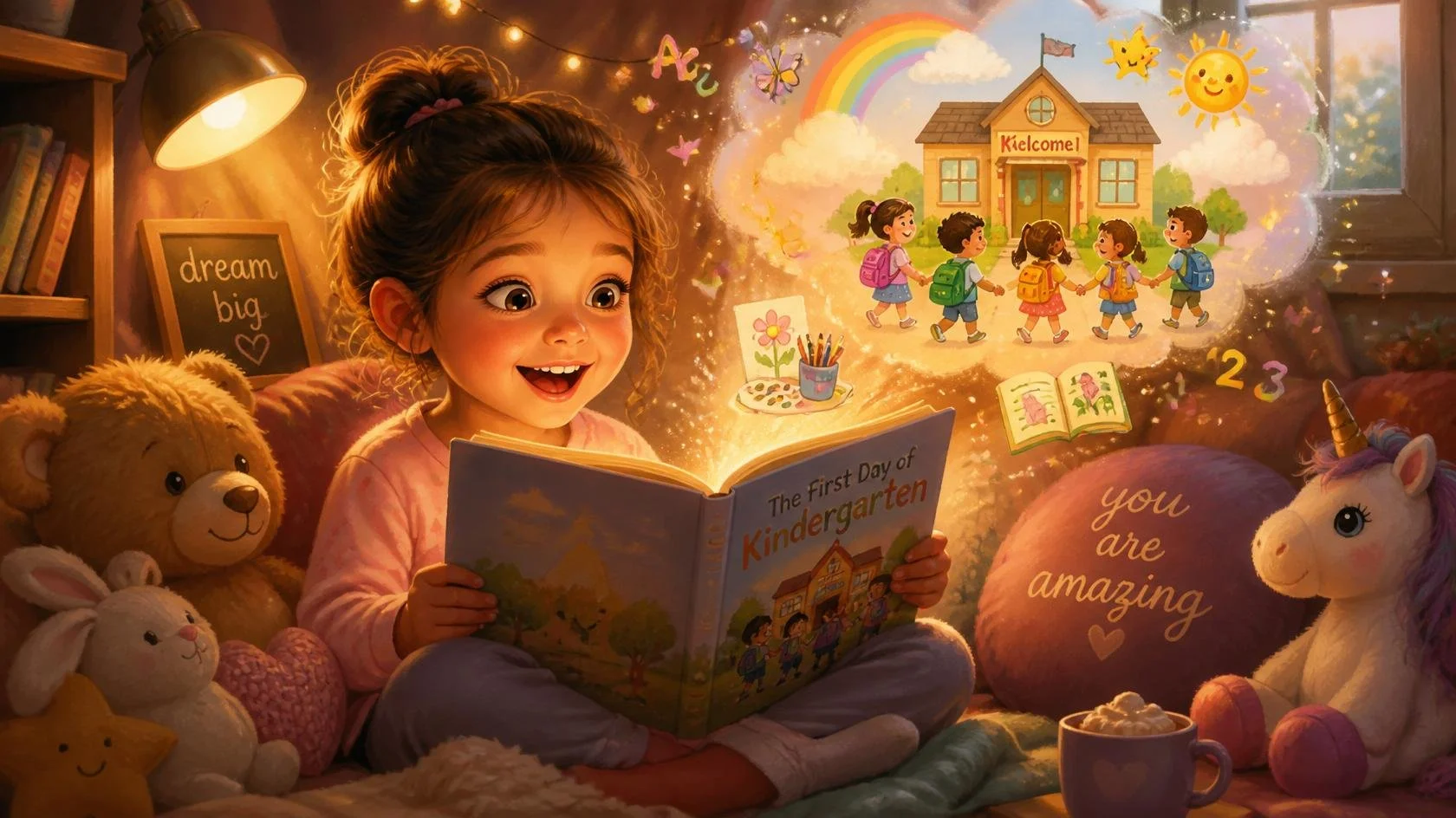
Books about starting school let your child try on a big feeling, watch a character survive it, and come out the other side before the real first day arrives. Read a few together in the weeks ahead, talk about the feelings they stir up, and you'll hand your child something better than a promise that everything will be fine. You'll give them the quiet confidence that they already know how this story goes.
Frequently Asked Questions
About two to three weeks before the first day, so the story has time to settle in.
No. Books don't erase feelings; they give a child words and a plan. Tears at the door and a good day ten minutes later go together.
Most work across ages 3 to 6. A few, like The Day You Begin and First Day Jitters, suit older preschoolers and new kindergartners.