The 5 Essential Early Literacy Skills Every Preschooler Needs
Early literacy skills are the building blocks for a lifetime of learning and reading enjoyment. These skills are not only fundamental for reading but also for effective communication and cognitive development. Let's explore the essential early literacy skills that every preschooler needs, and how you can nurture these skills with enthusiasm and excitement!
1. Vocabulary Development
Vocabulary development is the cornerstone of early literacy. It involves not only learning new words but also understanding their meanings and how they fit into sentences.
How to Encourage Vocabulary Growth:
Read Aloud: Share a variety of books with your child such as our Level 1 Book Set, which can make stories feel engaging and help with word association.
Talk Regularly: Engage in conversations with your preschooler about their day, the world around them, and any topic they show interest in.
Play Word Games: Simple games like “I Spy” or rhyming games can make learning new words fun and interactive.
2. Phonological Awareness
Phonological awareness is the ability to recognize and work with sounds in spoken language. This includes skills such as identifying rhyming words and differentiating between individual sounds.
Ways to Boost Phonological Awareness:
Sing Nursery Rhymes: Rhymes and songs are excellent for developing an ear for sound patterns.
Clap Out Syllables: Practice breaking down words into their component sounds by clapping along with each syllable.
Sound Matching Games: Use everyday sounds and ask your child to guess the source.
3. Print Awareness
Print awareness is understanding that print carries meaning and that it is related to spoken language. It includes recognizing letters, words, and the basic concepts of reading such as reading left to right or how to hold a book.
Fostering Print Awareness:
Point Out Print Everywhere: Whether it’s a street sign, a menu, or a cereal box, show your child that print is all around them.
Label Objects: Use labels around the house to connect words with objects.
Encourage Scribbling: Provide plenty of paper and crayons for drawing and writing, as this helps children understand that writing is a form of communication. Our Lowercase abc’s Coloring and Tracing sheets are perfect for combining playful coloring practice for letter recognition along with building fine motor skills.
4. Narrative Skills
Narrative skills involve the ability to describe things, tell stories, and understand the sequence of events. These skills are crucial for reading comprehension and storytelling.
Enhancing Narrative Skills:
Storytelling Time: Encourage your child to tell stories, whether real or imagined, and listen actively.
Sequence Activities: Use picture cards to tell stories in order, helping your child understand the beginning, middle, and end.
Ask Open-Ended Questions: During reading or storytelling, ask questions that prompt your child to think deeper about the plot and characters.
5. Letter Knowledge
Letter knowledge is the understanding that each letter has a name and associated sounds. Recognizing both upper and lower case letters, as well as the sounds they make, is vital for reading.
Building Letter Knowledge:
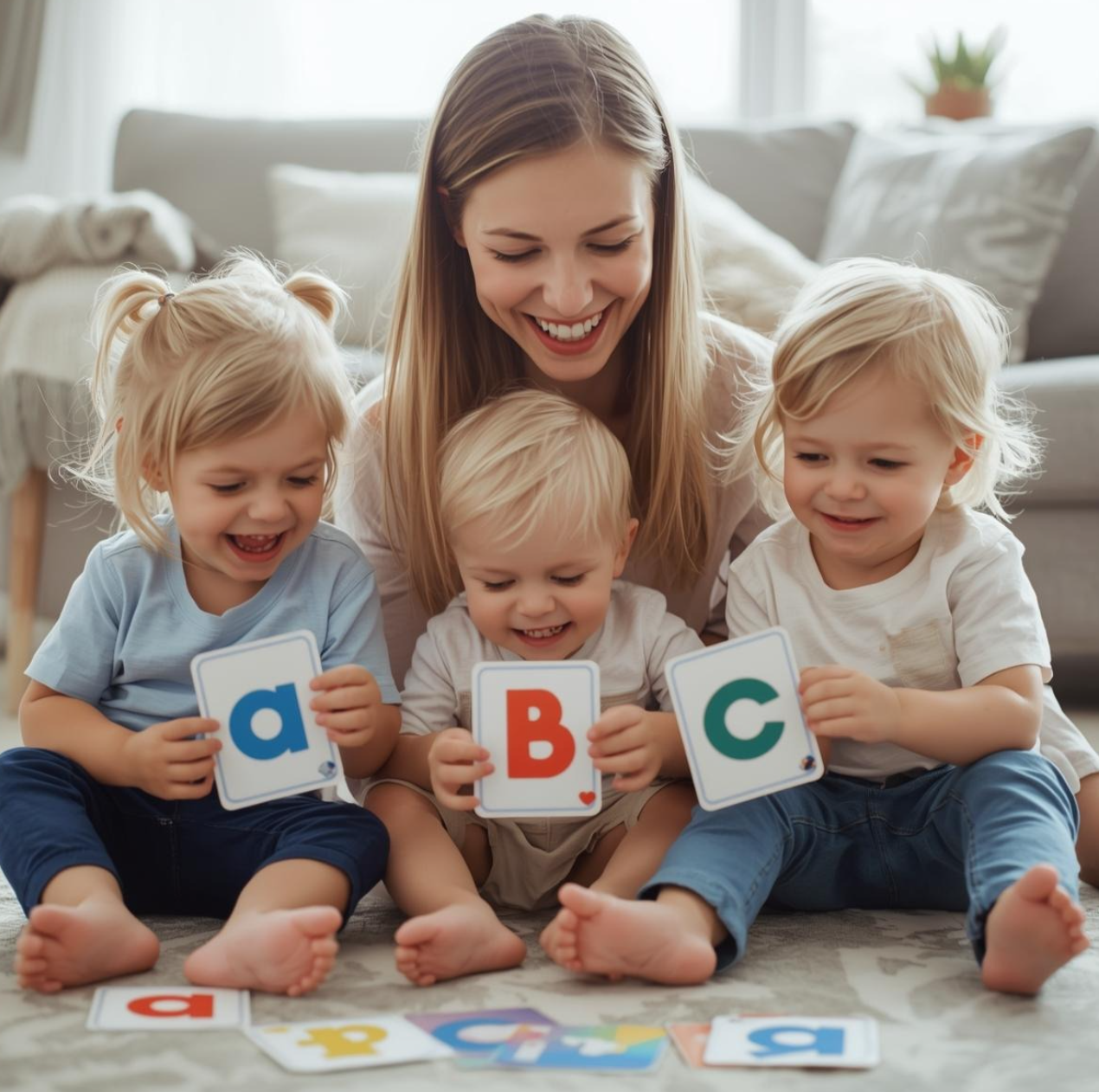
Alphabet Games: Use our Expressive Letter Flashcards to play fun games such as matching and go fish that teach letter recognition and sounds to foster beginning reading skills.
Craft Projects: Create letters using clay, dough, or other craft materials to make learning tactile and enjoyable.
Letter of the Day: Focus on a different letter each day, finding objects that start with that letter sound.
Why These Skills Matter
When these five literacy areas develop together, children enter kindergarten with:
Stronger language foundations
Better problem-solving skills
Higher confidence
A genuine love for reading
Most importantly, they feel capable—and that sense of capability follows them for years.
By embracing these essential early literacy skills with joy and enthusiasm, you can help your preschooler develop a strong foundation for future reading success. These activities not only support literacy but also make learning a joyous, shared experience. So grab a book, sing a song, and enjoy the journey of learning together!