Summer is a season filled with camp, vacations, family outings, and making memories. While these experiences are important, they often leave parents wondering how they can support their child's learning once the school year ends.
If you've ever thought, "Maybe we'll just take a break until fall," you're certainly not alone. It's one of the most common questions we hear from families each summer. The good news is that learning and summer fun don't have to compete. With a little planning and flexibility, it's possible to enjoy both while continuing to build early literacy skills.
Why Summer Learning Matters
For preschoolers, learning happens through everyday experiences. Reading a favorite book, singing songs, talking about the day's adventures, or playing simple word games all help build the foundational literacy skills children need for future success in school.
Taking a complete break from reading and literacy activities over the summer can make it more challenging for children to transition back into structured learning when the new school year begins. Keeping literacy part of your child's routine doesn't mean recreating the classroom at home. Instead, it means finding enjoyable, age-appropriate opportunities to continue exploring books, letters, sounds, and language.
Whether your child is entering preschool, preparing for kindergarten, or simply developing a love of reading, a few consistent moments of learning each week can help maintain confidence while making literacy a natural part of family life.
Step 1: Plan Around Your Family's Schedule
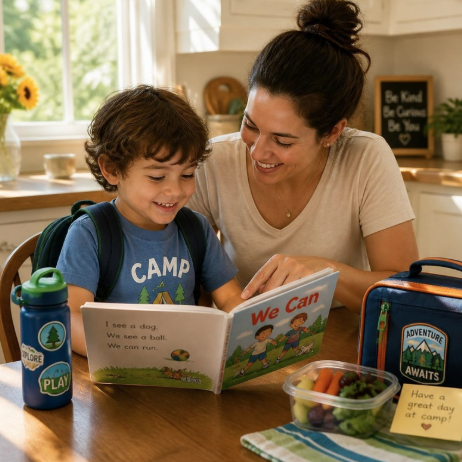
Before the week begins, take a look at your family's schedule. Instead of adding learning to an already busy day, choose a time that naturally works for your family. Consider which days camp gets out early or which evenings feel less rushed.
Many families find success by scheduling learning:
Before camp, when children are well-rested and ready to focus.
After dinner but before bedtime, when the day's activities have ended and the evening has become more relaxed.
On weekends when your family has a little more flexibility.
The best routine is the one that fits comfortably into your day and can be maintained consistently.
Remember that literacy activities don't always have to happen at the same time every day. Some mornings may begin with reading a favorite story over breakfast, while other days might include practicing letter sounds during the drive to camp or reading together before bed. Even spending 10 to 15 minutes enjoying books together can help your child continue building important reading skills throughout the summer.
Step 2: Build in Time to Recharge
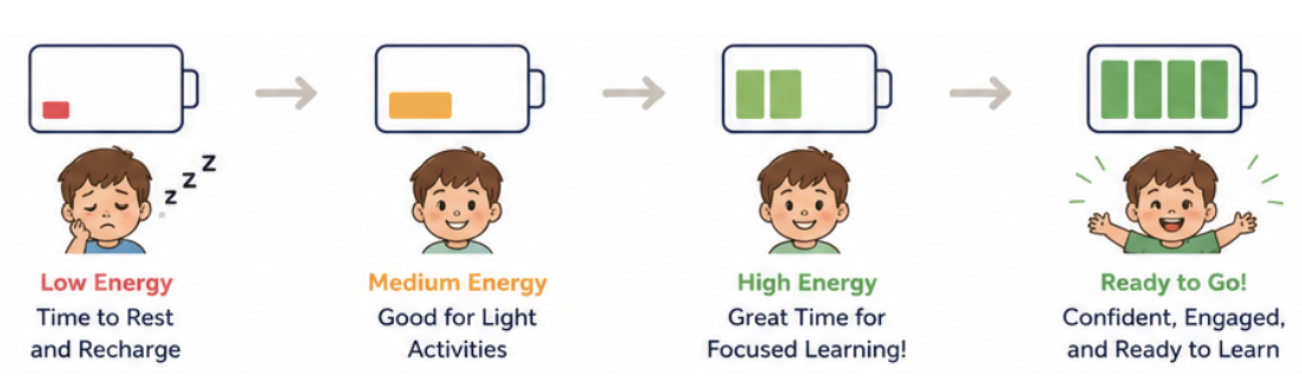
Camp days are exciting, active, and full of valuable opportunities for children to build independence, friendships, and confidence. By the time they get home, many simply need a chance to slow down. Recognizing your child’s energy level can help you choose a time for literacy activities when they are most ready to engage.
Whether it's enjoying a snack, reading together, coloring, listening to music, or simply relaxing, these quiet moments help children recharge. Giving children time to reset can help them return to activities with more focus and enjoyment.
Young children learn best when they feel calm, supported, and ready to participate. If your preschooler seems tired after camp, avoid turning reading into another task they have to complete. Instead, make it a cozy part of your routine by curling up with a favorite book, talking about the pictures, or asking simple questions about the story. Positive reading experiences help children develop both literacy skills and a lifelong love of books.
Step 3: Give Yourself Flexibility
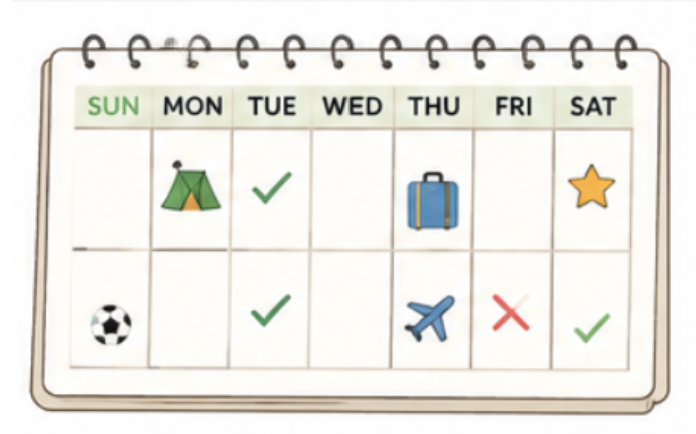
Summer schedules rarely stay the same from week to week. Vacations, family visits, special outings, and unexpected adventures are all part of the season. Rather than striving for perfection, focus on consistency over time.
If your routine is interrupted for a few days, simply return to it when life settles back down. Learning is most successful when it becomes a regular part of family life—not another source of stress. Even during busy weeks, simple habits like reading together, talking during car rides, or discussing new experiences can help children continue building important literacy skills naturally.
You can also look for learning opportunities throughout your day. Ask your child to identify letters on street signs, count objects while shopping, describe what they see during a walk, or retell their favorite part of the day. These conversations strengthen vocabulary, listening comprehension, and communication skills while making learning feel fun instead of structured.
Simple Summer Literacy Activities for Preschoolers
Not every learning activity requires worksheets or formal lessons. In fact, many of the most effective literacy experiences happen during everyday family routines.
Read Together Every Day
Even reading one book each day exposes children to new vocabulary, sentence structure, and storytelling. Let your child choose books that match their interests to help build excitement around reading.
Play Letter and Sound Games
Point out letters on signs, cereal boxes, menus, or grocery store shelves. Ask your child if they can identify the first letter in their name or think of words that begin with the same sound.
Encourage Storytelling
Invite your child to tell you about their day or create an imaginary story together. Storytelling helps children organize their thoughts while strengthening language and comprehension skills.
Sing Songs and Nursery Rhymes
Songs with rhyming words help children hear language patterns, an important building block for learning to read. Singing together in the car or during daily routines makes literacy fun and memorable.
Let Your Child "Read" to You
Even if your child isn't reading independently yet, encourage them to retell familiar stories using the pictures. This builds confidence, sequencing skills, and an understanding of how stories work.
Common Parent Concerns
"Our summer schedule is just too busy."
Between camp, vacations, sports, and family activities, it's easy to feel like there isn't enough time. Instead of trying to fit learning into every free moment, choose one consistent moment in your day that feels manageable for your family. Many parents are surprised to find that a lesson before camp or after dinner fits more naturally than they expected.
Remember that consistency matters more than long study sessions. Even a few minutes of meaningful reading several times a week can help your child continue developing literacy skills.
"My child is exhausted after camp."
That's completely normal. Camp is physically, socially, and mentally busy. If your child needs time to recharge, allow for a quiet break before transitioning into learning. If evenings consistently feel difficult, consider moving learning to the morning before camp or over the weekend. Finding the right time for your family is often more important than finding the "perfect" time.
"My child is starting kindergarten. Do we still need to keep learning?"
Another concern many families have during the summer before kindergarten is whether they should continue practicing skills their child has already learned. Learning letter names, sounds, and beginning reading skills is an exciting milestone, but it's only the foundation of a child's reading journey. As children move from kindergarten to first grade and beyond, they continue to learn new decoding strategies, build reading fluency, expand vocabulary, and strengthen comprehension.
Keeping learning part of your family's routine helps children build upon the skills they've already developed while growing the confidence they'll carry into each new school year. Reading is a journey that continues well beyond the first day of kindergarten.
Maintaining simple literacy routines during the summer also helps children feel more prepared for the transition into kindergarten. Familiar reading habits can build confidence, encourage independence with books, and make returning to structured learning feel less overwhelming.
Every family's summer looks different, and that's okay. The goal is to find a routine that fits your family's schedule while making room for meaningful literacy moments. Reading together, talking about your day, and exploring books can help strengthen your preschooler's reading skills throughout the summer. With flexible, engaging literacy instruction from Reading in Preschool, you can continue building your child's confidence and love of reading while enjoying everything the season has to offer.