Establishing Strong Letter Recognition in Early Childhood Literacy
Strong letter recognition is the cornerstone of early childhood literacy and a proven prerequisite for reading fluency. Before children can successfully blend sounds, decode words, or gain confidence as independent readers, they must recognize letters quickly and with accuracy. More than simple alphabet memorization, letter recognition in preschool develops best through hands-on, play-based learning and daily, purposeful exposure to print.
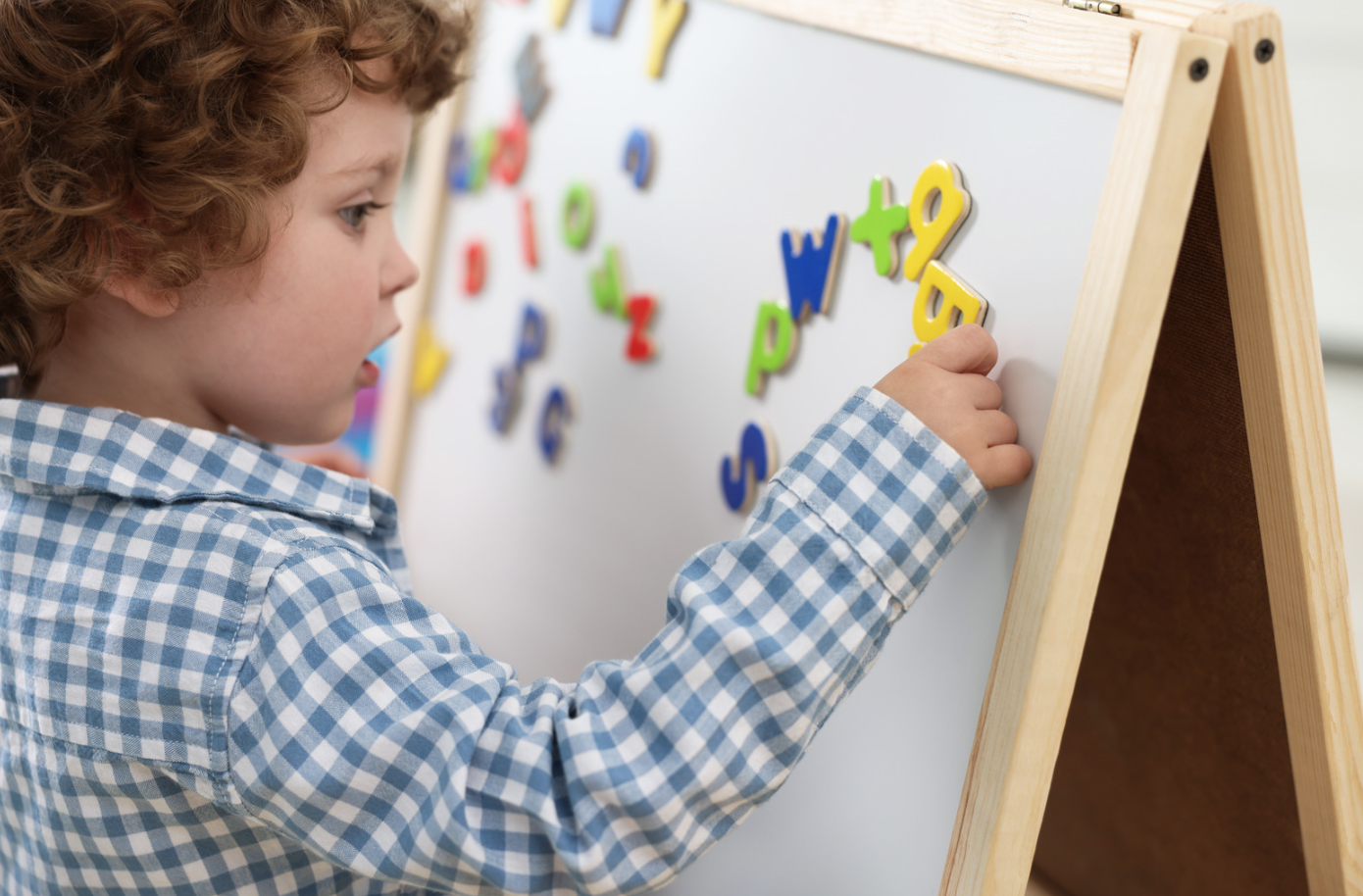
At Reading in Preschool, we use the Alexander Reading Method to help children build meaningful connections between uppercase letters, lowercase letters, letter sounds, and print. Our engaging, interactive learning experiences make letter recognition activities natural, enjoyable, and developmentally appropriate, setting the stage for lifelong reading success.
Why Letter Recognition Matters
Understanding why letter recognition matters helps parents and educators prioritize this essential literacy skill. Developing strong letter recognition skills in preschool directly supports:
Enhanced pre-reading foundations - Children build the letter knowledge needed before formal reading instruction begins
Increased confidence with books and environmental print - Recognizing letters makes children feel successful when reading
Strengthened phonemic awareness - Connecting letters to their sounds builds critical phonological skills
Sound-symbol associations - Understanding that specific letters represent specific sounds is fundamental to decoding
Early handwriting readiness - Letter recognition naturally supports letter formation and fine motor development
Smoother transition to reading fluency - Children with strong letter recognition progress faster through decoding stages
When children master letter identification and consistently associate letters with their corresponding sounds, they develop the essential foundation required for successful reading outcomes and long-term academic achievement.
Teach Uppercase, Lowercase, and Sounds Together
The Alexander Reading Method combines three critical components from the start: teaching uppercase letters, lowercase letters, and letter sounds together.
When children learn letters in this integrated way, they develop multiple neural pathways that strengthen retention and recall. For example:
A → a → /a/ (letter name, alternate form, phonetic sound)
M → m → /m/ (letter name, alternate form, phonetic sound)
This approach helps children see uppercase and lowercase letters as related letter forms while simultaneously building phonemic awareness and letter recognition skills. Through consistent, playful repetition and multi-sensory, hands-on activities, children quickly begin:
Recognizing both uppercase and lowercase letters with automatic recall
Connecting letters with their corresponding sounds for phonetic awareness
Transferring learning to real-world print in books, signs, labels, and environmental text
Research shows that children who learn letters and sounds together develop stronger decoding skills and more confident early reading abilities.
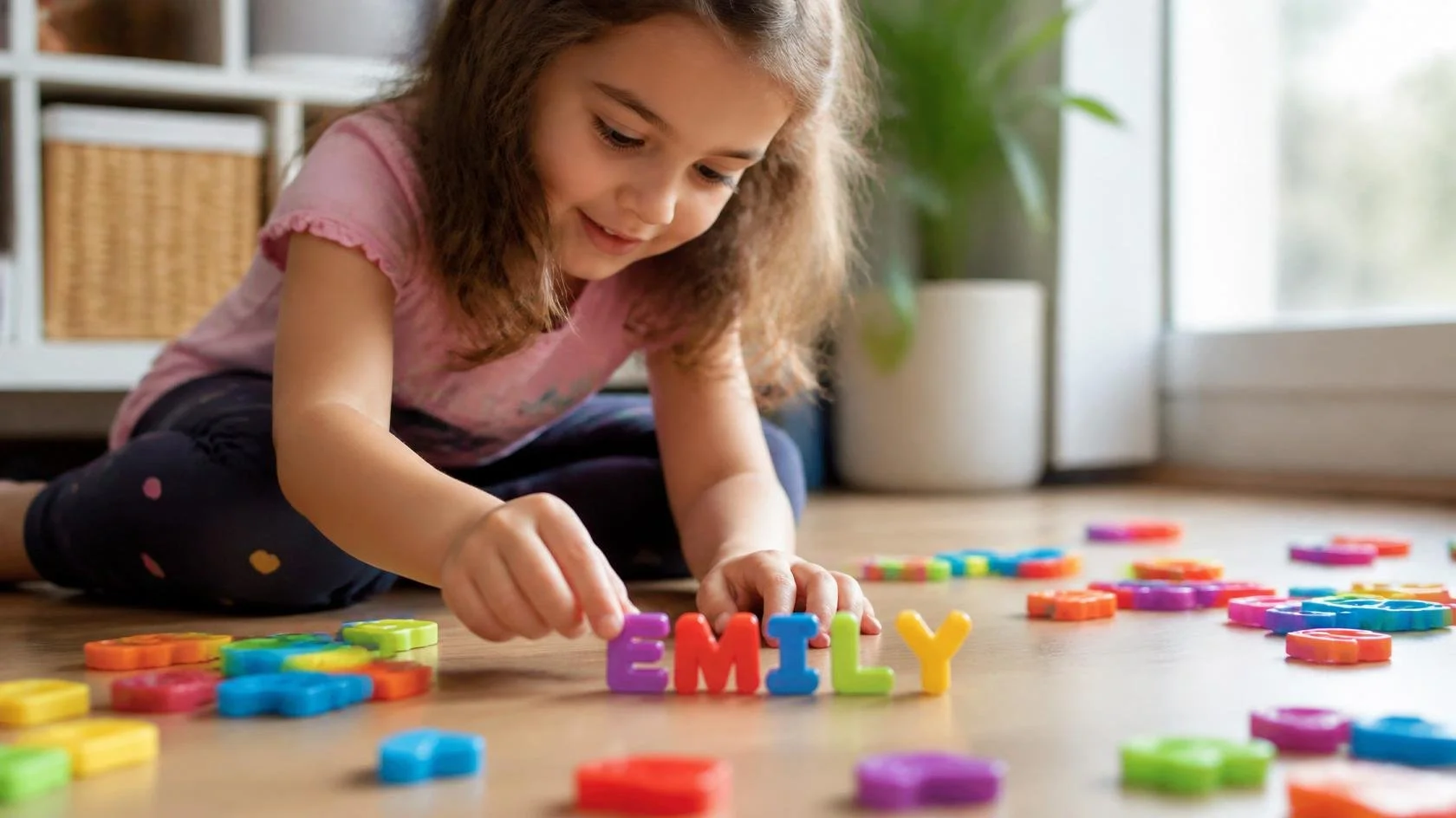
Begin with the Letters in Your Child’s Name
Starting letter recognition instruction with letters from your child's name is one of the most effective early literacy practices. Children naturally gravitate toward and retain the letters in their own names because:
Personal significance - A child's name is emotionally meaningful and inherently interesting
Immediate relevance - Children see their names daily in personal items, class materials, and household labels
Natural motivation - Learning letters in a familiar context increases engagement and intrinsic motivation
Quick success - Children typically recognize name letters faster, building early confidence in literacy skills
This personalized approach creates continuous, natural practice opportunities throughout everyday routines, when getting dressed, during meals, at playtime, and while reading together. Once children master their name letters, they're primed to recognize these same letters appearing in favorite books, environmental signage, and other words throughout their day.
Tip: Post your child's name prominently in multiple locations to increase exposure and reinforce letter recognition.
Pair Letters with Their Sounds
Pairing letter forms with their corresponding sounds is essential for building strong phonemic awareness and phonetic decoding skills. Consistency in this pairing is crucial. Children need to hear and see the same letter-sound connection repeatedly to internalize the relationship.
Effective teaching example: "Look, this is uppercase M, and this is lowercase m. Both letters say /m/ at the start of 'monkey' and 'mom.'"
Why this matters:
Sound-symbol associations - Consistent pairing helps children understand that specific letters represent specific sounds
Phonemic awareness development - Hearing sounds while seeing letters strengthens phonological processing
Transfer to reading - Strong letter-sound relationships are the foundation for successful word decoding
Simple, daily repetition of letter-sound pairings during routine activities, such as bath time, mealtimes, car rides, and outdoor play, creates powerful learning experiences over time. Research on early literacy shows that daily letter-sound practice significantly accelerates reading readiness in preschool-aged children.
Action Step: Make letter-sound pairing a habit during transitions and daily routines for 2-3 minutes per day."
Associate Letters with Something Memorable - Visually
Using visual mnemonics and memorable associations is a powerful strategy for accelerating letter recognition in young children. When children connect letters to familiar objects, images, or descriptive phrases, they create multiple memory pathways that enhance retention and recall.
Visual association examples:
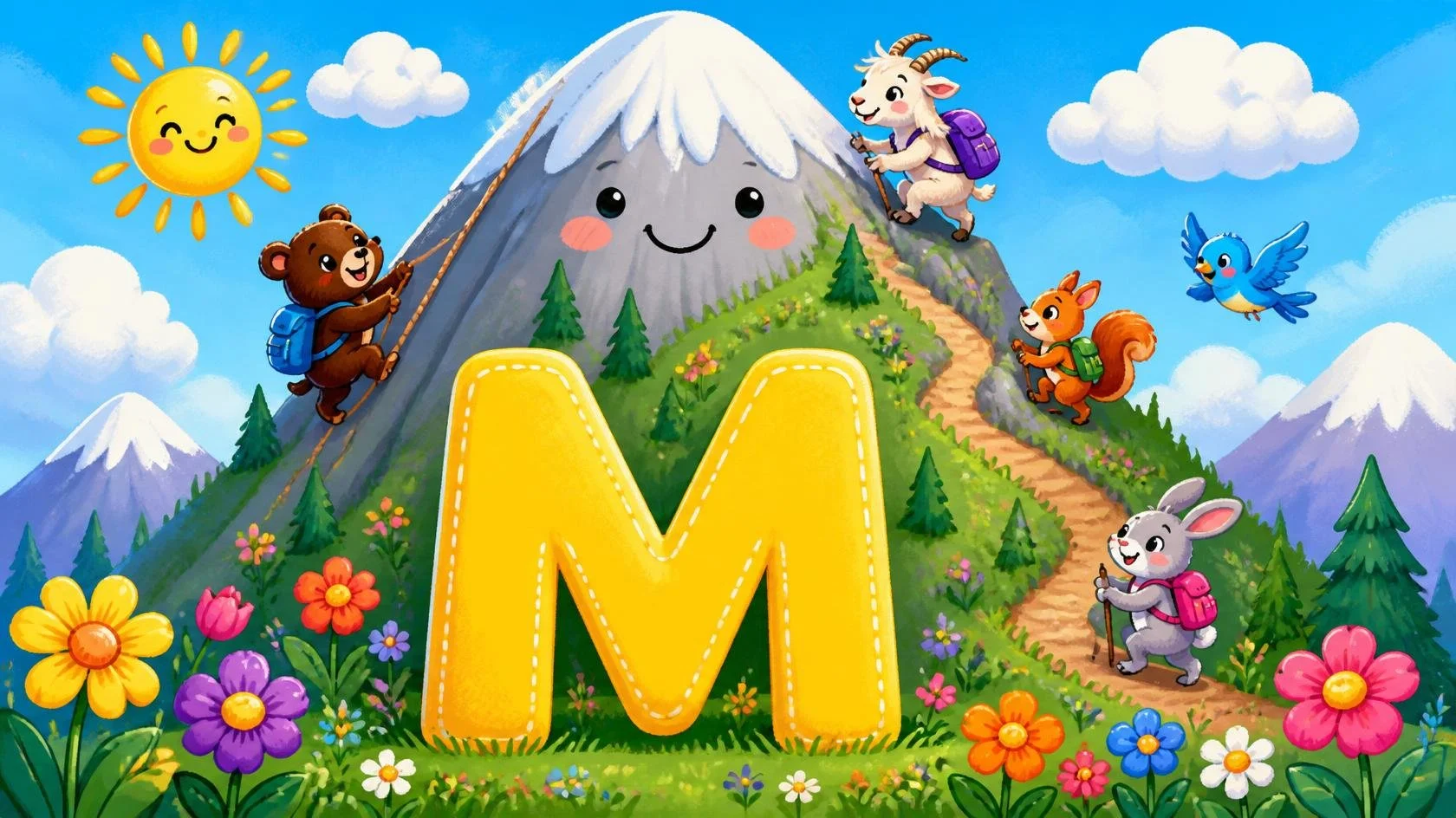
Letter M → "mountains" - two peaks standing tall
Letter J → "monkey's tail" - curling down and around
Letter O → "orange" - round like fruit
Letter S → "snake" - wiggling and curving
Beyond improved letter recognition, visual associations provide additional literacy benefits:
Enhanced handwriting readiness - Children who can visualize letters develop stronger letter formation and fine motor planning
Letter differentiation support - Distinctive visual descriptions help children avoid confusing similar-looking letters (M vs. W, b vs. d, p vs. q)
Increased engagement and enjoyment - Playful, imaginative associations make letter learning fun and memorable
Stronger visual processing skills - Connecting visual information to letter names supports overall literacy development
When children can clearly visualize, describe, and associate letters with meaningful images, they develop stronger confidence in letter recognition, more accurate letter formation, and improved phonetic awareness. This multi-sensory approach to letter learning creates deeper, more durable literacy foundations.
Multi-Sensory Activities Build Stronger Learning
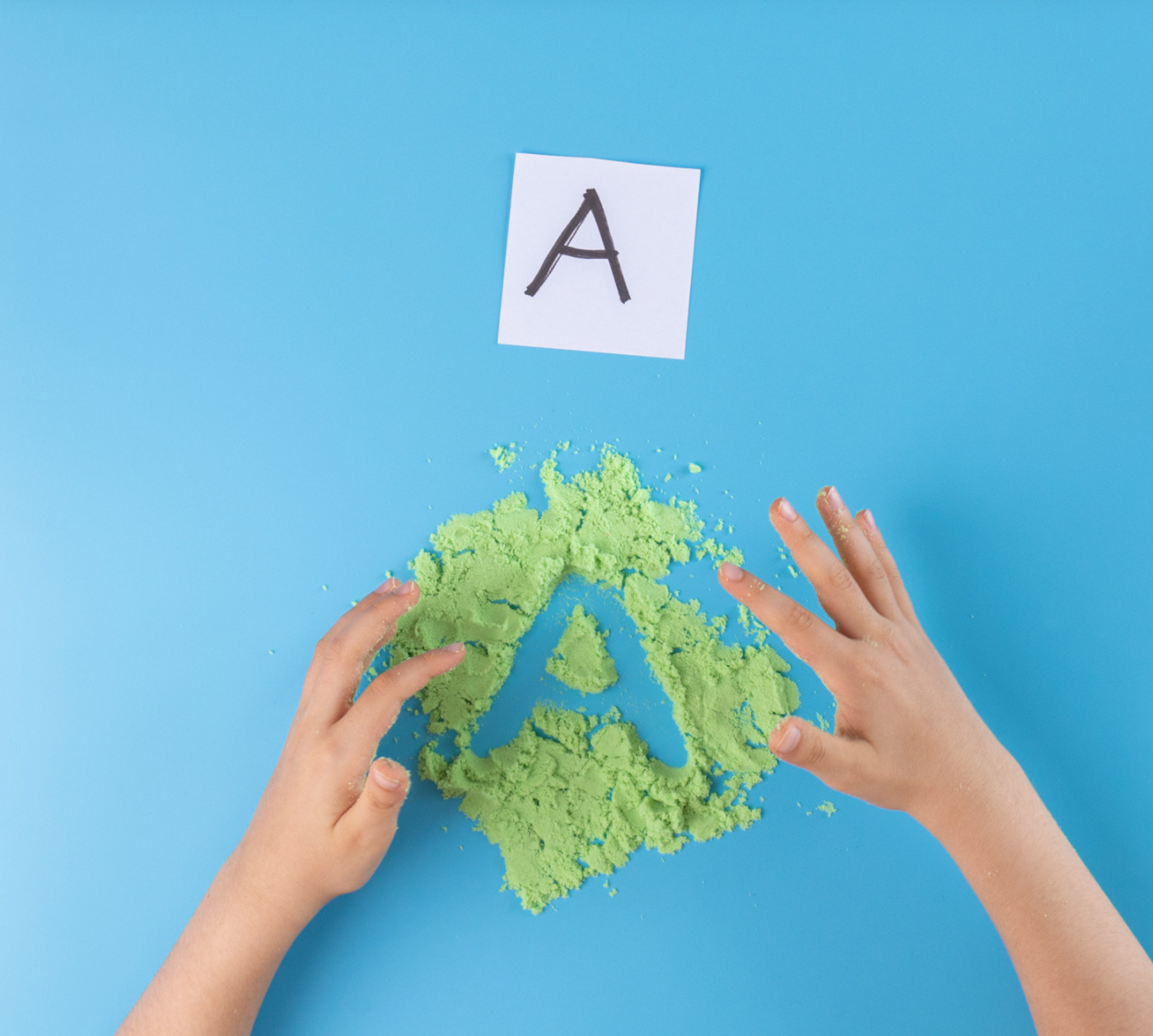
Multi-sensory letter recognition activities are scientifically proven to accelerate early literacy development in preschoolers. Young children learn best through hands-on, interactive experiences combined with play-based exploration. When letter recognition activities engage multiple senses, including touch, sight, sound, and even smell, children create stronger neural connections and retain letter knowledge more effectively.
Key principle: Short, playful learning sessions (5-15 minutes) are far more effective than lengthy, formal lessons for maintaining engagement and supporting development.
Highly Effective Letter Recognition Activities for Preschoolers:
Tactile & Kinesthetic Activities:
Tracing uppercase and lowercase letters in sand, shaving cream, or finger paint
Building three-dimensional letters with play dough, blocks, or pipe cleaners
Painting letter pairs while exploring fine motor control and color mixing
Visual & Interactive Activities:
Using magnetic letters for hands-on letter manipulation and matching
Matching uppercase letters to lowercase letters with cards, puzzles, or sorting games
Finding letters during everyday routines - in grocery stores, restaurant menus, street signs, clothing labels
Auditory & Multi-Sensory Activities:
Singing alphabet songs and sound songs that connect letters to melodies
Reading alphabet books together daily with animated voices and interactive questioning
Letter sound games using music, rhymes, and rhythm
Pro Tip: Combine multiple activities throughout the day. For example, paint letters in the morning, sing letter songs during a car ride, and read alphabet books before bedtime. This varied, consistent exposure accelerates letter recognition development.
Support Early Letter Learning with Hands-On Resources
At Reading in Preschool, we understand that quality learning materials make a significant difference in early literacy success. We've carefully selected and created hands-on, multi-sensory resources designed specifically to support the Alexander Reading Method and accelerate letter recognition development in preschoolers.
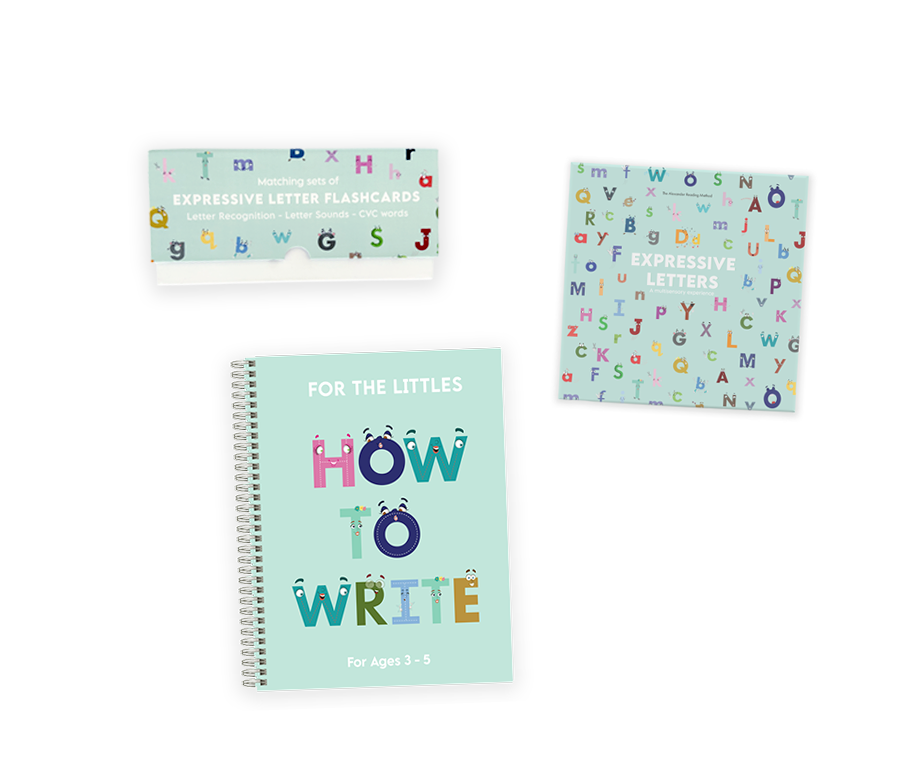
Recommended Early Literacy Resource: The Starter Bundle
The Starter Bundle is our most popular letter recognition resource, combining hands-on activities, visual supports, and engaging materials that help children:
Build automaticity with uppercase and lowercase letter recognition
Master uppercase-to-lowercase letter matching with confidence
Develop strong letter-sound associations and phonemic awareness
Engage in play-based learning that feels fun, not like "work"
Perfect for: Parents and educators introducing systematic letter recognition to preschoolers (ages 3-5)
Get the Starter Bundle - Includes hands-on activities, visual supports, and multi-sensory materials
Premium Option: A-Z Activity Bundle + Paint Set
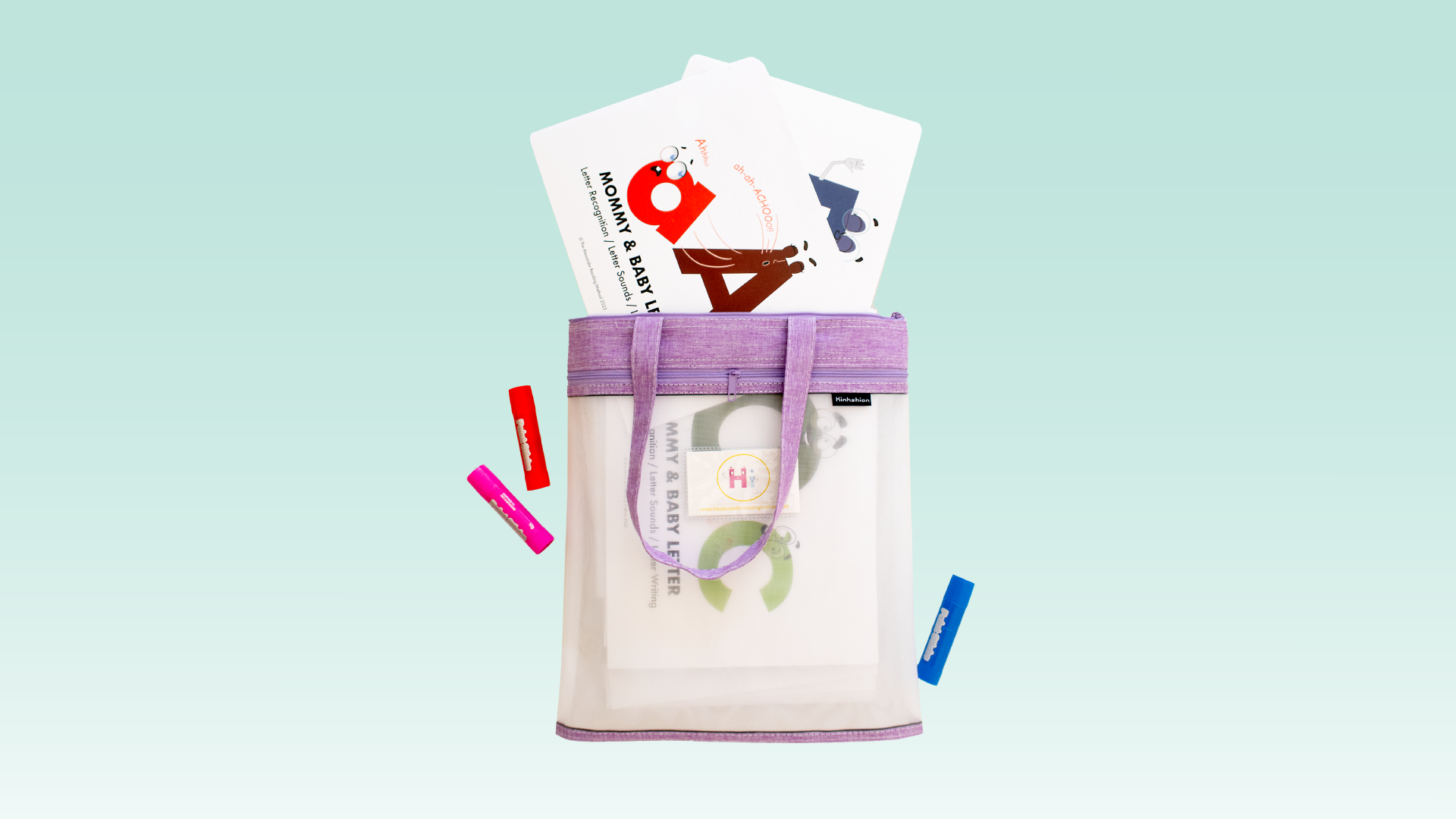
The A-Z Activity Bundle + Paint Set is ideal for families who want comprehensive, sensory-rich letter learning experiences. This bundle combines:
Creative letter learning activities with artistic exploration
Paint supplies for hands-on, tactile letter formation
Sensory-rich opportunities that encourage exploration and creativity
Confidence-building activities designed for multiple learning styles
Perfect for: Families seeking extended letter recognition practice with creative, artistic components
Get the A-Z Activity Bundle + Paint Set - Includes activity sheets, quality paint supplies, and comprehensive letter-learning resources
Why These Resources Work: These materials are specifically designed around the Alexander Reading Method and incorporate evidence-based practices for early literacy instruction. Each resource supports multiple learning modalities and can be used repeatedly for reinforcement."
Building strong letter recognition doesn't require pressure, expensive programs, or extended daily lessons. Instead, it requires consistency, playful engagement, and multi-sensory experiences woven naturally into your child's daily life.
The path to early reading success is clear: When children have daily exposure to letter recognition activities, consistent letter-sound pairing, and hands-on, multi-sensory learning experiences, they build the foundational literacy skills needed for confident, independent reading.
Remember: Every interaction with letters counts. Singing alphabet songs during car rides, playing with magnetic letters, painting letters together, and reading alphabet books aren't just activities. They're building critical neural pathways that support lifelong reading success.
Start today. Choose one simple letter recognition activity to incorporate into your routine this week. With consistent, joyful practice, you'll notice your preschooler's confidence and letter knowledge flourish.