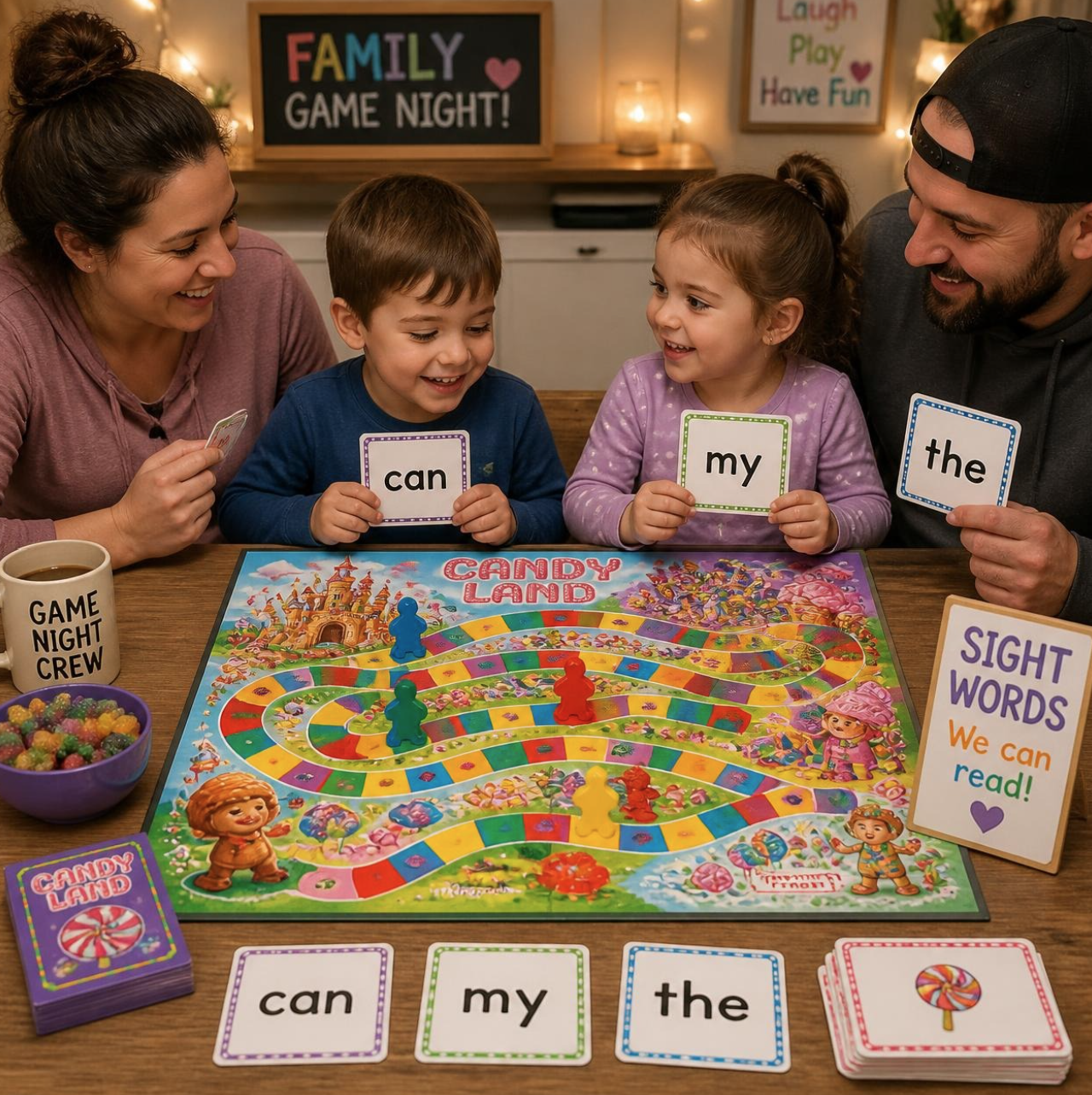
Cozy Family Game Night: Adding a Little Reading to the Fun
October is the perfect time for cozy evenings at home. As the weather cools and the days get shorter, a favorite board game, a simple snack, and time together can make an ordinary evening feel special. And with one small addition, that favorite game can also become an opportunity for reading practice.
At Reading in Preschool, the Alexander Reading Method uses consistent practice to help children build familiarity with the letters, sounds, and words they are learning. One simple way to continue that practice at home is to add reading cards to a game your family already enjoys.
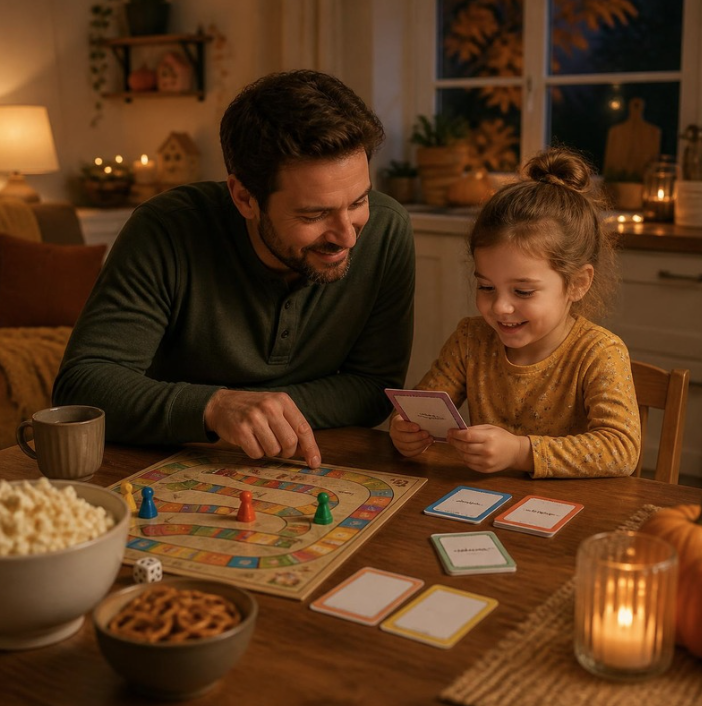
Turn a Favorite Game Into Reading Practice
You don't need to buy a new educational game. Start with one your family already owns. Choose a small set of letters, sounds, or words your child is currently practicing. Write or print them on cards and place the cards on or near a few spaces on the game board. When your child lands on a reading space, they pick a card and practice it before continuing their turn.
Land on the space → Pick a card → Read the word or say the sound → Keep playing!
For example, if your child is practicing sign words the, is, my, and can, then place those cards around the board. When your child lands on one, they read the word and then continue playing. The game stays the same. You're simply adding a few moments of reading practice.
Try It With a Game You Already Have
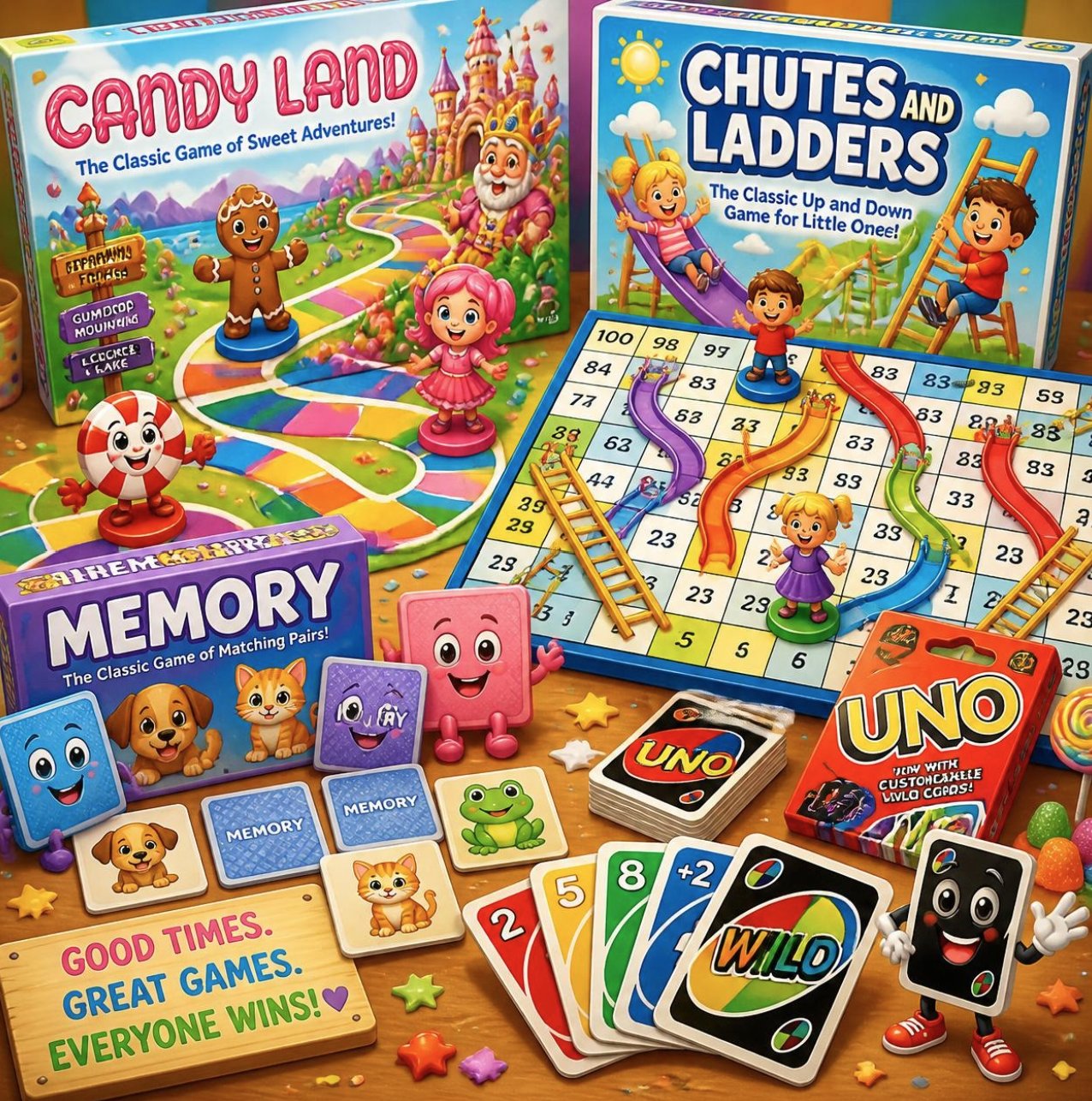
Almost any simple board or card game can work. Here are a few examples for inspiration.
Candy Land: Place reading cards on a few colored spaces. When your child lands on one, they practice the card before continuing.
Chutes and Ladders: Add reading cards to selected numbered spaces. Landing on one means practicing a card before the next turn.
Memory: After finding a matching pair, have your child practice a reading card before playing again.
Uno: Add a simple rule, such as drawing a reading card after playing a certain card.
The goal isn't to change the game. The reading cards simply become another part of a game your child already knows and enjoys.
Let Repetition Happen Naturally
Children need repeated opportunities to practice what they are learning. A game provides those opportunities without requiring a separate activity.
Your child might see the word “can” during one turn and encounter it again later in the game. The first time may require more thought. The next time, the word may be easier to recognize. That repeated exposure is valuable.
The cards can also change as your child's reading develops. A child learning letter sounds might practice:
M — /m/
S — /s/
T — /t/
A beginning reader might practice:
cat
sun
the
can
If siblings are playing together, each child can have cards that match their own reading level while everyone enjoys the same game.
Make the Cards Part of the Fun
Your child can even help prepare the game. Ask them to choose a letter, help select a word, or draw a picture to go with a card. This gives them another opportunity to talk about the letters and words they are learning before the game even begins.
And don't worry about making every turn educational. The reading cards are only one small part of the evening. Put away the screens, make a favorite snack, get comfortable, and enjoy being together. Let the game create the laughter and excitement while the reading cards provide a few extra opportunities to practice.
A Cozy Way to Keep Learning
The Alexander Reading Method can extend beyond structured reading practice. With a little creativity, the skills children are learning can become part of activities they already enjoy. So this October, pull out a favorite family game and grab a small stack of practice cards.
A little reading, a favorite game, and time together—that sounds like a pretty cozy night.