
How to Support Your 5- and 6-Year-Olds’ Transition to a New Classroom
Starting a new classroom is a big milestone for 5- and 6-year-olds. While many children feel excited about new teachers, classmates, and activities, it is also common for them to feel nervous about unfamiliar routines and environments.
At Reading in Preschool, we know that children adjust best when they feel supported, connected, and confident during times of change. Small routines and positive experiences at home can make a meaningful difference as preschoolers settle into a new classroom.
Why Transitions Can Feel Challenging
5- and 6-year-olds are still developing emotional regulation, communication skills, and independence. Because of this, even positive changes can feel overwhelming at first.
Some children may become more emotional during drop-off, seem quieter than usual, or need extra reassurance after school. These reactions are completely normal as children learn to navigate new routines and environments. The good news is that small, consistent support can help children feel more secure and confident during this transition.
Visit the School Before the First Day
When children have positive experiences in the environment before the first day, school often feels more familiar and less intimidating. Even something as simple as driving by the school or talking about what the day may look like can help children begin building comfort and confidence.
If possible, visit the school or playground before classes begin. Playing on the playground, walking around the building, or seeing familiar spaces ahead of time can help reduce uncertainty.
Let Your Child Personalize School Supplies
Allowing 5- and 6-year-olds to choose a few school items can help build excitement and give them a sense of ownership during the transition.
You might let your child pick:
a backpack
lunchbox
crayons or markers
pencil case
water bottle
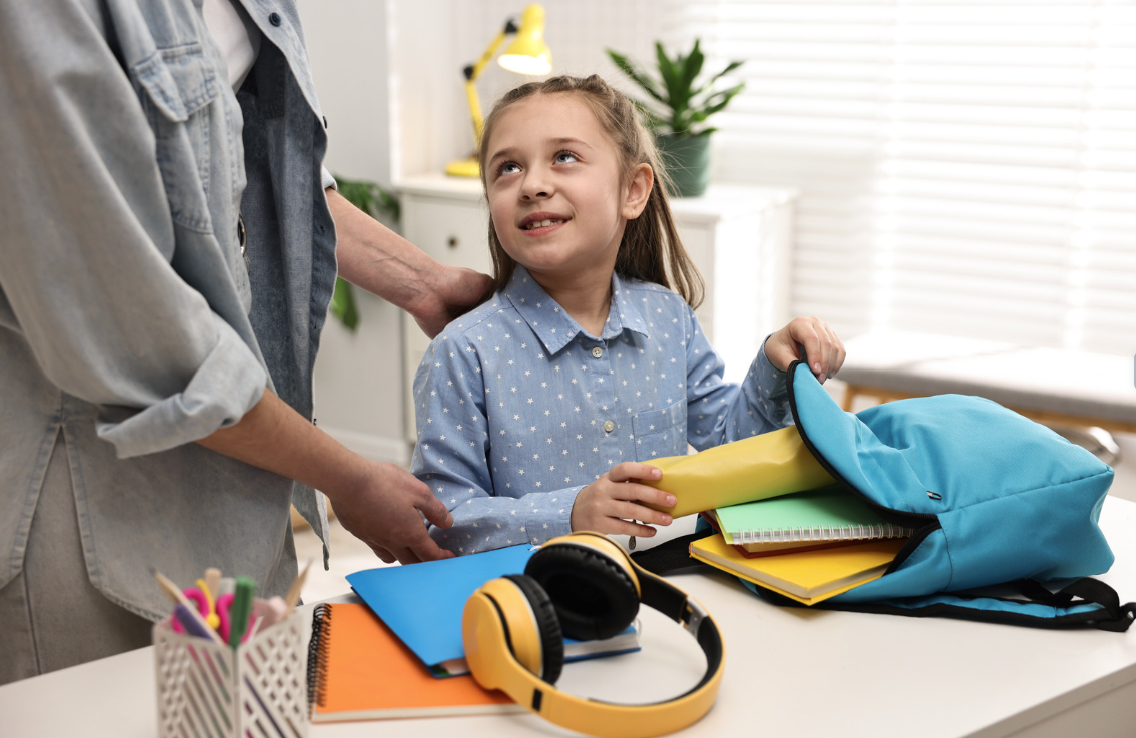
These small choices help children feel included and involved while creating positive associations with school routines during this back-to-school transition.
Keep Familiar Literacy Routines at Home
Familiar routines help children feel grounded during periods of change. Reading together before bed, revisiting favorite books, or talking about letters and sounds throughout the day can provide comfort and consistency.
These moments do not need to feel formal or academic. Young children learn best through short, engaging interactions that feel safe and enjoyable. Maintaining literacy routines at home also helps reinforce early language and reading development during transitions.
Offer Structured Choices
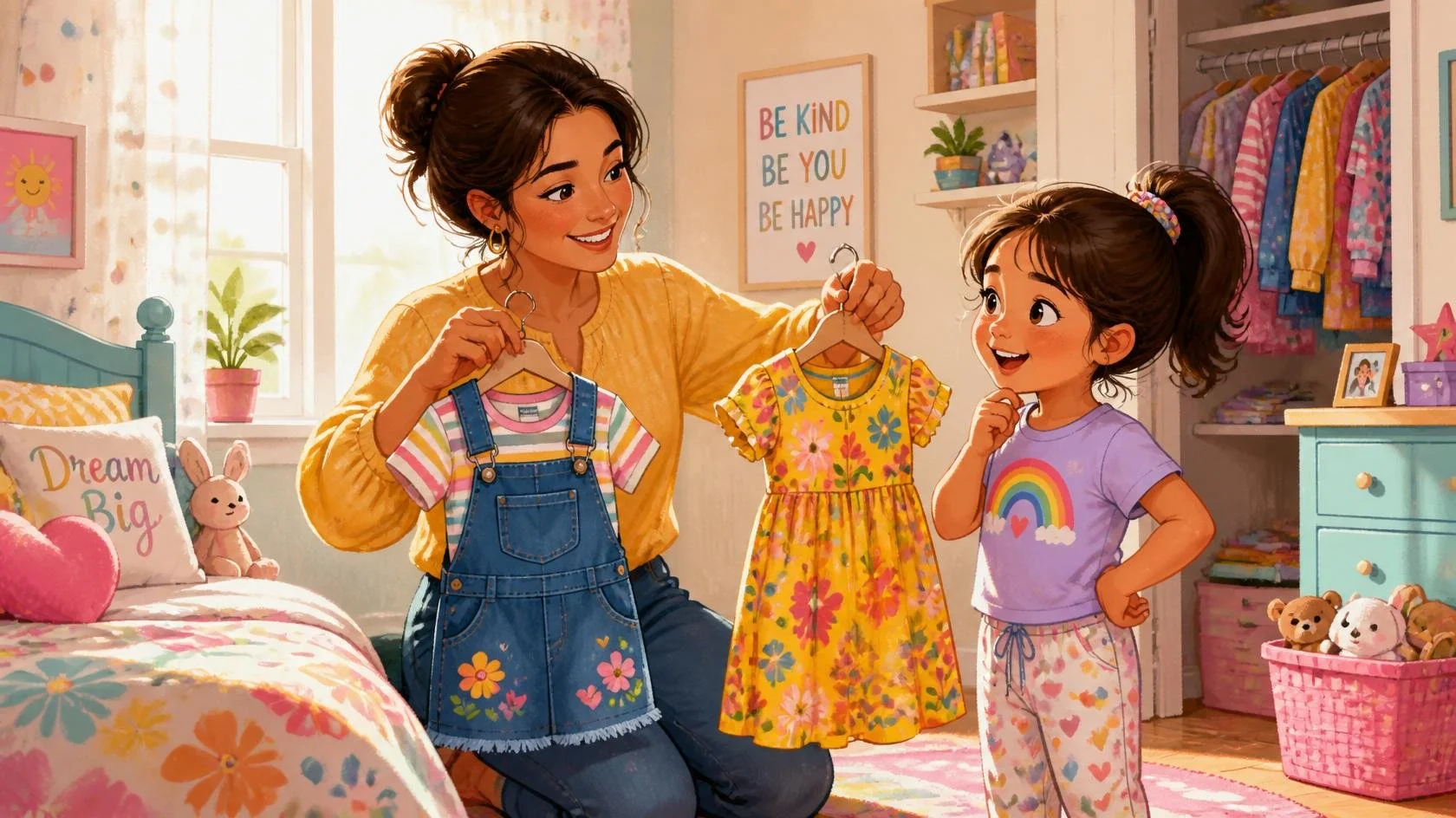
Giving 5- and 6-year-olds small choices can help them feel more confident and independent. While adults still provide structure, offering manageable options allows children to feel involved in daily routines.
You might let your child:
choose which book to read before bed
pick between two outfits
select a snack for lunch
decide which shoes to wear to school
Simple choices like these can help reduce anxiety and build confidence during times of change.
Plan Fun Lunches and/or Leave Encouraging Notes
Having something familiar and enjoyable during the school day can help children feel reassured while away from home.

Packing a favorite snack, using fun containers, or including a short handwritten note can give children something positive to look forward to during the day. Even simple messages like “Have fun today!” or “I can’t wait to hear about school!” can provide comfort and encouragement.
Celebrate Small Successes
Transitions take time, and small accomplishments deserve recognition. Celebrate moments like a smooth drop-off, trying a new activity, or talking positively about the school day.
Praise and encouragement help children build confidence as they adjust to new routines and expectations. Focusing on progress rather than perfection helps create a positive and supportive transition experience.
Use Books to Prepare for New Experiences
Books are one of the best ways to help children prepare for change. Stories about school, friendships, and classroom routines help 5- and 6-year-olds understand what to expect while also reassuring them that nervous feelings are normal.
Reading together also creates opportunities for conversation and emotional connection while strengthening early language and comprehension skills.
Final Thoughts
A new classroom is an important step in your child’s growth and development. With support, consistency, and positive experiences, children can build the confidence they need to navigate change successfully.
At Reading in Preschool, we believe strong early literacy development begins with connection, communication, and supportive learning experiences that help children feel ready to grow.
