PreK Reading Program in the Upper West Side, NY
For preschool-aged learners in the Upper West Side, the Reading In PreSchool PreK program offers an engaging introduction to early reading skills. It focuses on developing confidence, nurturing curiosity, and strengthening the core abilities required for reading readiness. Children participate in interactive learning that introduces sounds, symbols, and early language concepts.
A step-by-step learning structure guides the PreK Reading Curriculum through Phase One and Phase Two. The program is intended for children ages 3 and 4, providing instruction aligned with early childhood developmental stages.
PREK READING PROGRAM CURRICULUM
Children in the PreK program, starting at ages 3 and 4, are introduced to reading through The Alexander Reading Method, a structured phonics approach that emphasizes clarity, accessibility, and engagement. The curriculum focuses on key early skills such as identifying letters, recognizing phonetic sounds, blending sounds into words, decoding simple text, and beginning early writing activities at a developmentally appropriate pace.
Each student is first assessed through an evaluation that identifies their reading level and individual needs. Lessons are then tailored to match their progression, ensuring they remain confident, supported, and actively engaged while developing core literacy abilities.
In-Person New York Classes
In-person instruction is offered year-round for families in the Upper West Side, New York City, with services also extending to nearby neighborhoods such as Chelsea, Gramercy Park, and the Upper East Side. Our reach continues beyond the city into Scarsdale, Rye, Rye Brook, and Greenwich, CT, along with summer sessions held in the Hamptons.
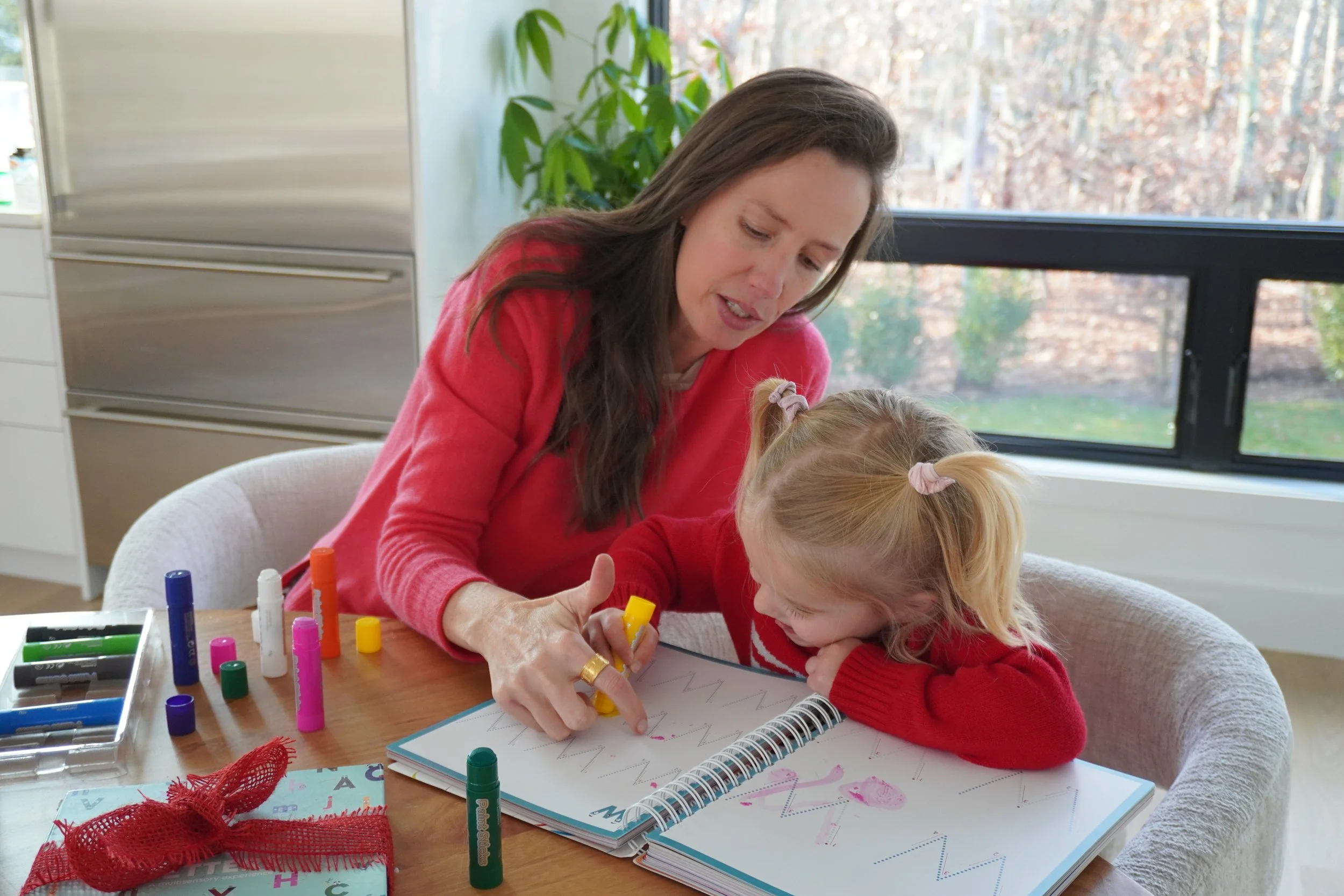
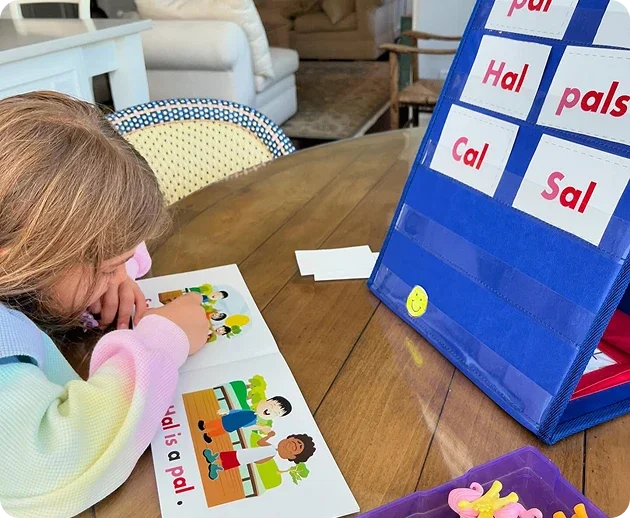
Lessons take place in the home and are structured around a play-based method that supports both enjoyment and academic progress. Through steady one-on-one attention, many children progress 6 to 12 months ahead of grade level, making future academic demands easier to manage.
What Your Child Will Learn
Your child advances through two structured stages in our PreK Reading Curriculum, Phase One and Phase Two, each designed to develop skills step by step.
Phase One
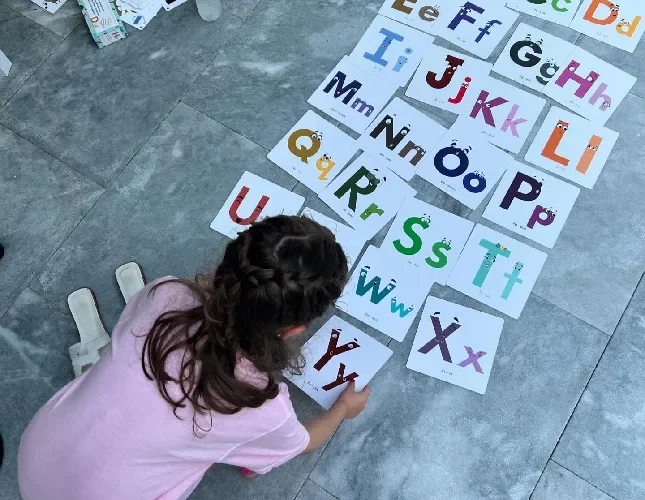
introduces early foundational learning through:
• Fine motor skills for writing readiness
• Letter identification and sound recognition
• Early handwriting attempts when appropriate
• Confidence development through play-based repetition
This stage helps children gradually adapt to structured learning
Phase Two
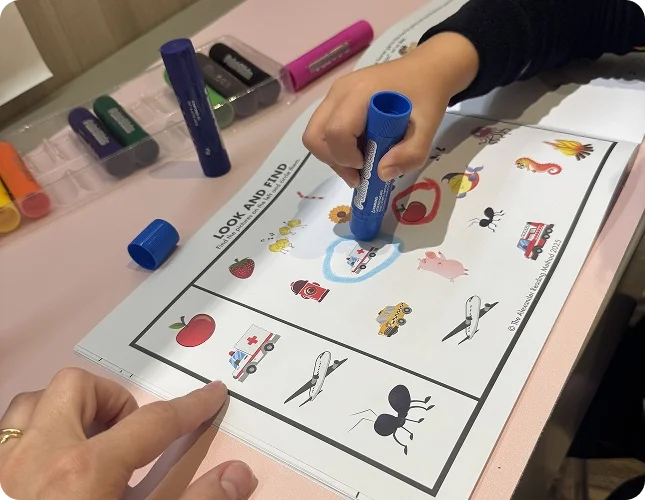
Strengthens reading development by focusing on:
• Continued letter writing practice
• Blending sounds to form simple words
• Reading Level 1 beginner texts
• Learning 60 CVC words and 40 early sight words
At this point, children are progressing toward Kindergarten standards that prepare them for 1st grade learning expectations
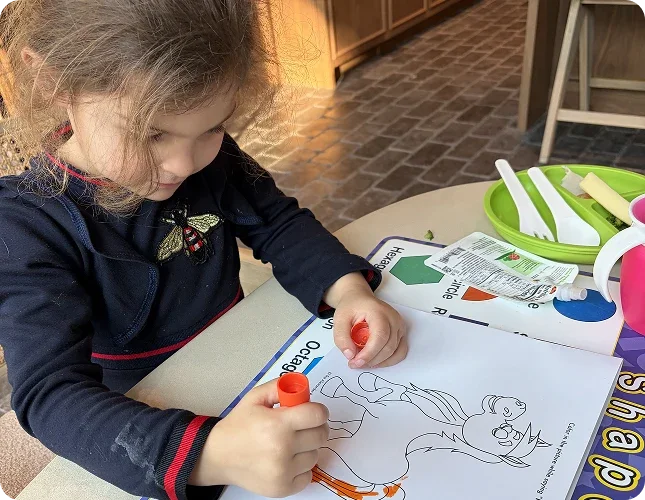
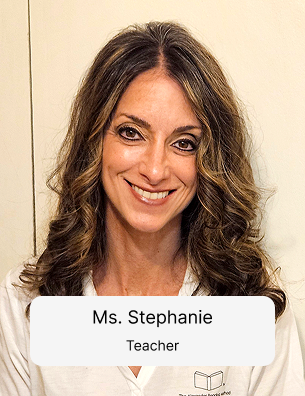
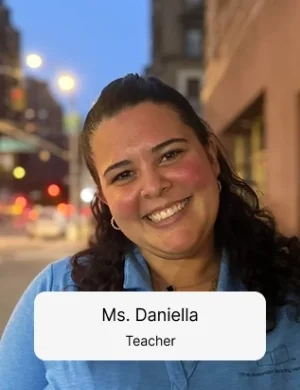
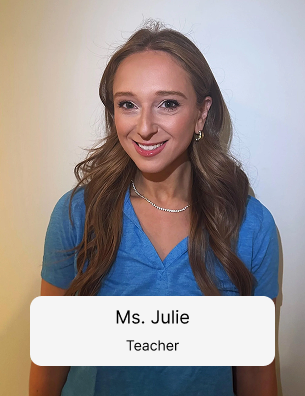
Every Reading In PreSchool teacher holds a valid teaching license and has a background in either General Education, Special Education, or both. Each educator is also trained in The Alexander Reading Method to ensure a consistent and well-structured learning experience.
Meet The Upper West Side Team
98% Success Rate: Trusted by Families in the Upper West Side Raising Confident Readers
Reading In PreSchool in the Upper West Side is designed to support children in feeling prepared, encouraged, and academically ahead, establishing a solid foundation for continued educational growth. The program builds essential early reading skills while fostering confidence that extends across all areas of learning.
Families have relied on Reading In PreSchool since 2013 to support early literacy development. With a 98% success rate, it has guided thousands of children toward reading success before entering more advanced academic stages.
Many parents in the Upper West Side observe changes that go beyond reading, such as improved confidence, more active classroom engagement, and a stronger sense of independence in learning.

Frequently Asked Questions
We provide in-person lessons year-round across New York City, including Scarsdale, Rye, Rye Brook, and Greenwich, Connecticut. In addition, families may arrange summer in-person sessions in the Hamptons. All instruction takes place in the student’s home environment.
Students are expected to complete at least two sessions weekly. Families can choose between 30-minute lessons or extended session lengths depending on academic needs.
Yes, families are given monthly progress reports, except during December, March, and June when academic breaks occur.
Our teaching team consists of professionals with a Master’s degree in General Education or Special Education, along with training in The Alexander Reading Method. Candidates are also evaluated based on the following qualities:
- A love of working with and teaching young children
- The ability to keep children engaged and having fun
- Empathy
- Patience
- Bubbly, with young energy
- The ability to show results
- Organized
- Great communication skills
- Respectful in our clients’ homes
- Teachers who love learning and exploring new techniques that will meet the individual child's needs
Program length is determined by the unique needs of each child, since learning speed differs from student to student. When there are no learning delays and attendance is consistent without long interruptions, the following estimate can be used for planning. It is based on twice-weekly sessions combined with light homework several times per week.
- Age 2.5: 3 years
- Ages 3 to 4: 2–3 years
- Ages 4.5–5.5: 2 years
- Ages 5.5–6.5: 1–2 years
- Older ages: 6 months to a year
We have observed that breaks in instruction lasting one month or more often result in a loss of about two months of learning for each month missed. This may cause the program to take longer than originally projected.
Yes. The program provides clear, structured instruction that helps early readers build essential skills gradually on the path to reading fluency.
Yes. We focus on reinforcing core phonics foundations and supporting children as they work toward meeting or exceeding grade-level expectations.
Many school systems across the United States prioritize memorization and delay formal phonics instruction during early learning stages. This can create gaps in foundational reading skills that become more noticeable in later grades. Without early targeted support, children may struggle to build confidence as academic demands increase.
Early structured instruction helps children develop core reading skills at a stage when they are naturally more receptive to learning.
Using The Alexander Reading Method within Reading In PreSchool, children receive consistent phonics-based instruction that builds literacy from the ground up. With individualized support and pacing, they develop strong reading skills that positively impact broader academic performance.
Our approach is tailored to young learners by combining structured teaching with interactive, play-based learning strategies. Each child is assessed at the start, and instruction is adjusted to match their needs so they can progress confidently and consistently.
The curriculum moves children through Phase One and Phase Two in a structured progression that develops reading, writing, and blending skills over time. This consistent framework supports lasting literacy development and independent reading ability.