Kindergarten Reading Program in West Palm Beach, FL
Build your child's confidence with reading before first grade asks them to have it. The Reading In PreSchool Kindergarten reading program in West Palm Beach helps young learners strengthen fluency, grow their vocabulary and develop the literacy skills their next classroom will take as a given. Instruction is shaped around the individual child, activities keep them genuinely engaged, and lessons happen somewhere they feel comfortable enough to try a word they are unsure of.
Kindergarten Reading Program Curriculum
The Alexander Reading Method teaches through structured, phonics-based instruction, and that structure is what makes reading progress durable instead of temporary. Kindergarten students keep building literacy by strengthening fluency, improving accuracy, expanding vocabulary and deepening comprehension.
Each student starts with an initial assessment establishing their current reading skills, their learning style and appropriate goals. Lessons are then customized to keep growth moving, build self-confidence, and develop practical reading ability children can carry into a classroom.
In-Person Classes
In-person lessons are offered year-round for families throughout our service areas, including New York City, Scarsdale, Rye, Rye Brook and Greenwich, with additional in-person summer classes available in The Hamptons.
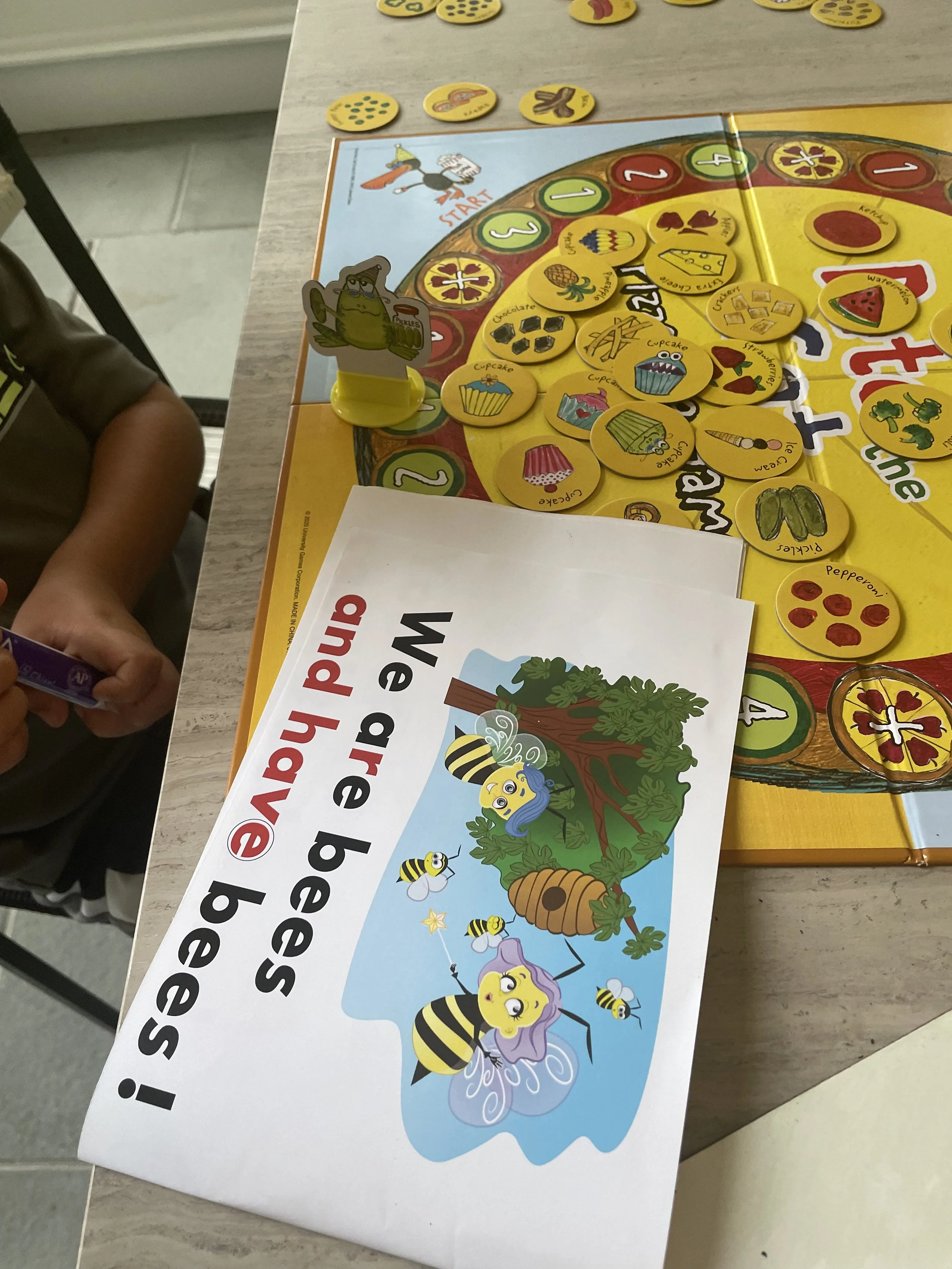
Each lesson is taught at home through play-based learning that encourages participation while reinforcing important academic foundations. With customized instruction and individual attention, children continue making meaningful progress, which helps them stay 6 to 12 months ahead and ready for increasingly advanced school expectations.
What Your Child in West Palm Beach Will Learn
Through the West Palm Beach Kindergarten reading program, children develop their literacy skills across Levels 2 and 3, building on the academic foundation established in earlier stages. The two-year program allows gradual progress, with students completing Level 2 during the first year and advancing to Level 3 in the second. In conclusion, children read more confidently on their own, write simple sentences with ease, and begin first grade with stronger literacy skills and greater classroom confidence.
In Level 2, children strengthen their reading skills by:
Learning new word patterns that help strengthen vocabulary development
Enhancing blending and decoding skills to improve reading progression
Reading more advanced words and complete sentence structures with greater ease
Building confidence while improving overall reading fluency
In Level 3, children continue progressing with:
Building stronger reading comprehension through more advanced literacy exercises
Improving fluency and expressive reading confidence during lessons
Beginning spelling instruction for children ready to expand their language skills
Encouraging sentence writing to strengthen reading and communication abilities
Instruction is personalized to support every child's unique learning needs, helping them improve literacy skills while steadily building confidence as successful readers and students.
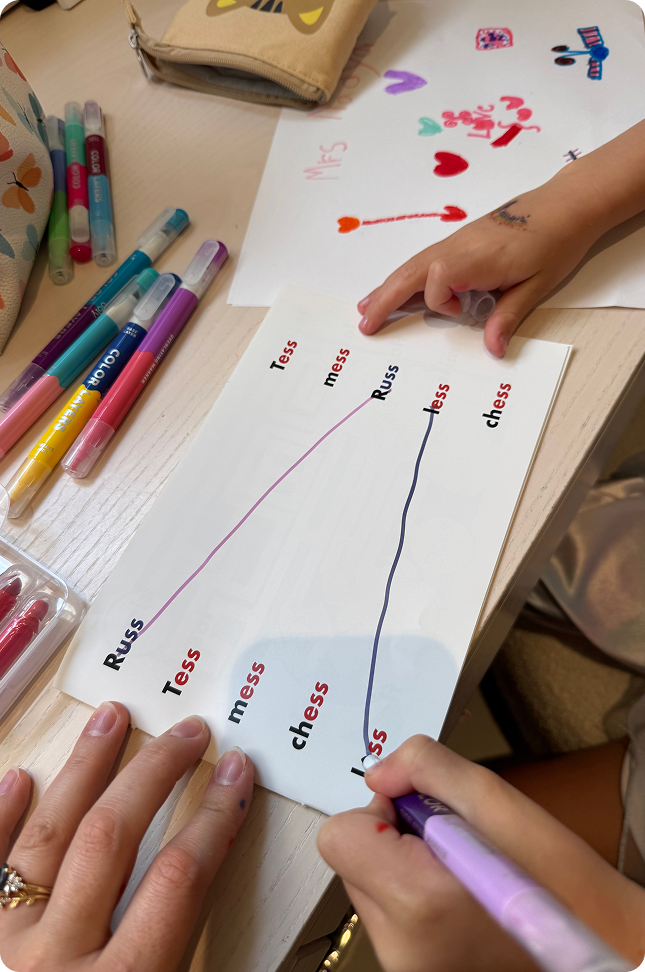
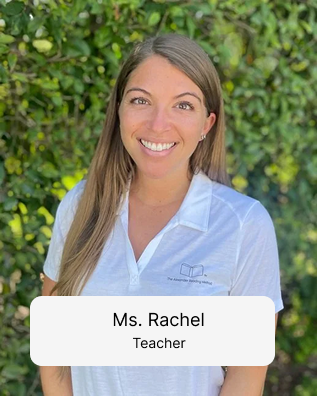
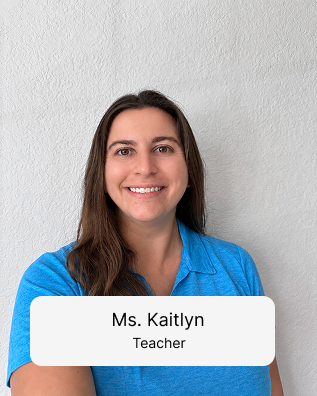
At Reading In PreSchool, our licensed teachers combine classroom experience with specialized training in The Alexander Reading Method to provide individualized instruction for every child. By adapting lessons to each student's learning style and academic level, teachers help children stay engaged, build confidence, and develop strong reading skills that last well beyond the classroom.
Meet the West Palm Beach Team
98% Success Rate: Trusted by Families Raising Confident Readers
We are passionate about helping children develop the confidence and skills they need for continued academic growth.
Since 2013, our program has partnered with families to build strong reading foundations supporting long-term educational success. With a 98% success rate, we have helped thousands of children become stronger readers before progressing to more advanced grade levels.
Parents often see meaningful improvements beyond literacy development. As children's reading skills grow, many become more motivated to learn, participate with greater confidence in school, and develop a stronger sense of independence and pride in their accomplishments.

Frequently Asked Questions
Our year-round in-person Kindergarten reading lessons are held throughout New York City and nearby service areas, including Scarsdale, Rye, Rye Brook and Greenwich, with summer instruction also offered in The Hamptons. Every lesson takes place in your home. Families in West Palm Beach should contact us to confirm current availability in your area.
A minimum of two weekly sessions is required, since that frequency is what builds momentum and keeps progress consistent. Families may schedule 30-minute lessons or longer sessions depending on their child's academic goals and learning pace.
Yes. Parents receive detailed monthly progress reports highlighting reading development, strengths and areas of continued growth. Reports are not provided in December, March or June, because school breaks and changing schedules can affect lesson consistency during those months.
All of our teachers are licensed educators who have classroom experience and specialized training in the Alexander Reading Method. In addition to their teaching credentials, they demonstrate the following qualities during every lesson:
- A love of working with and teaching young children
- The ability to keep children engaged and having fun
- Empathy
- Patience
- Bubbly, with young energy
- The ability to show results
- Organized
- Great communication skills
- Respectful in our clients' homes
- Teachers who love learning and exploring new techniques that will meet the individual child's needs
Because every child progresses differently, the amount of time needed to reach reading goals depends on each student's learning needs and abilities. For children without learning challenges or processing delays, and for families who can maintain regular attendance throughout the year, the following provides a general estimate. It is based on two lessons each week along with light homework practice several times during the week.
- Age 2.5: 3 years
- Ages 3 to 4: 2-3 years
- Ages 4.5-5.5: 2 years
- Ages 5.5 - 6.5: 1-2 years
- Older ages: 6 months to a year
Our experience with early learners indicates that taking a break from lessons for one month or more can affect long-term progress. Children often lose up to two months of retained learning for every month they are away from instruction, which can extend the time needed beyond the estimates above.
Yes. Children in our Kindergarten reading program progress through Levels 2 and 3 while building the reading skills needed for success down the road. Structured lessons help students increase fluency, build phonemic awareness, expand sight word recognition and gain confidence as they read more challenging words and sentences.
Yes. Our individualized approach builds children's essential literacy foundations, practicing blending, decoding and accurate word recognition. Students continually review key concepts throughout the program while developing the confidence and skills needed to become stronger, more successful readers.
Classroom reading instruction is usually planned for groups of children and may not provide enough opportunity for individual pacing and systematic phonics instruction. Some children begin memorizing words before they really understand how sounds fit together. Our program teaches reading in a way that allows students to develop strong foundational skills and then work their way up to more advanced reading challenges.
We teach Kindergarten students to be thoughtful, independent readers by focusing on reading accuracy and self-correction. Children are taught to recognize patterns of sounds in letters, to know when words do not make sense, and to rely on decoding strategies rather than guesswork. As lessons progress, students also take on more extensive reading and more challenging writing assignments to prepare them for the academic rigors of first grade.