Thanksgiving is a natural time to slow down, gather together, and create meaningful family traditions. It is also a wonderful opportunity to support early literacy in simple, connected ways using routines and materials you already have at home.
At Reading in Preschool and through the Alexander Reading Method, we believe children build strong literacy foundations when language, storytelling, books, and conversation become part of everyday family life. During the Thanksgiving season, literacy learning can feel warm, relaxed, and naturally woven into family traditions.
Why Thanksgiving Traditions Support Literacy
Many Thanksgiving traditions already encourage important early literacy skills without feeling like formal learning.
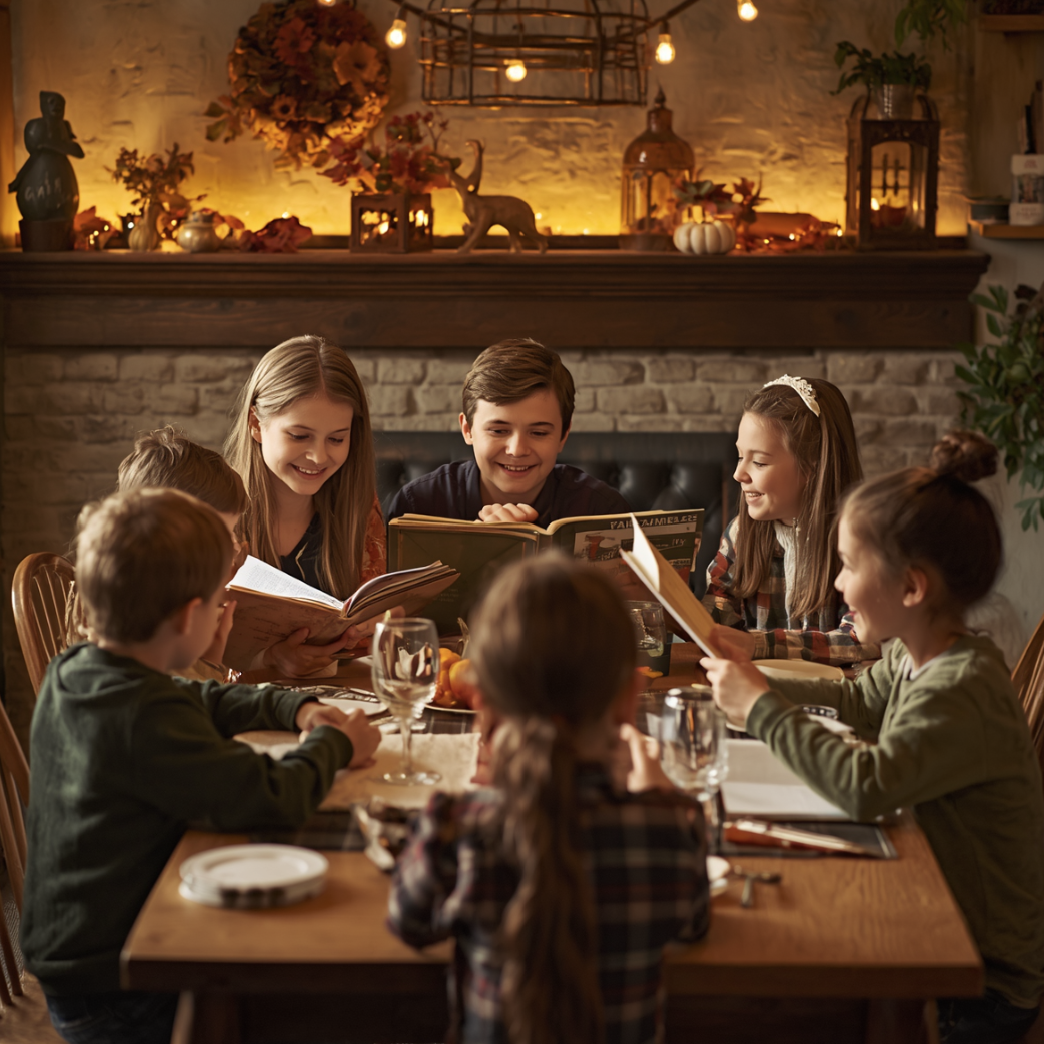
Family meals, storytelling, cooking together, songs, recipes, and shared books all help children hear rich language and meaningful communication throughout the day. The goal is not long lessons or pressure. Instead, literacy becomes part of connection, conversation, and everyday experiences together.
Retell Family Stories Together
Thanksgiving is the perfect time to share family stories and memories.
You might:
Share stories from your childhood
Talk about favorite Thanksgiving memories
Look through family photo albums together
Ask relatives to retell family traditions
Encourage your child to describe favorite holiday memories
These conversations help children build vocabulary, listening skills, sequencing, and confidence with language.
Start a Family Gratitude Jar
A gratitude jar can become a simple Thanksgiving literacy tradition.
How to set it up:
Place a jar or bowl somewhere visible and keep small slips of paper and crayons nearby.
How to do the activity:
Each day during November, family members add one thing they are thankful for.
Young children may:
Draw pictures
Dictate responses for an adult to write
Attempt early writing or letter forms
At the end of the month, read the gratitude notes together as a family.
Let Children See You Reading
Children learn a great deal simply by watching how reading fits into everyday life.
You might:
Read recipes while cooking
Write grocery lists together
Read books or magazines nearby
Talk aloud about what you are reading
Share favorite holiday books together
These small moments help children see that reading has purpose and meaning.
Place Books Around the House
Keeping books visible and easy to reach encourages children to interact with reading naturally throughout the day.
You might place books:
Near the couch
In the kitchen
Beside the bed
In the car
Near toys or play areas
Seasonal books and familiar stories help make reading feel inviting and relaxed.
Play Audiobooks and Read-Aloud Stories
Audiobooks and read-aloud stories are simple ways to increase language exposure, especially during quieter parts of the day.
They can be especially helpful:
Before bedtime
During quiet time
While cooking together
During car rides
Listening to stories helps children hear vocabulary, sentence patterns, and expressive language in a calm and engaging way.
Visit Your Local Library Together
Libraries are wonderful resources for supporting literacy without needing to buy additional materials.
Many libraries offer:
Picture books and seasonal stories
Audiobooks for children
Early literacy games and activities
In-person story times
Family literacy events
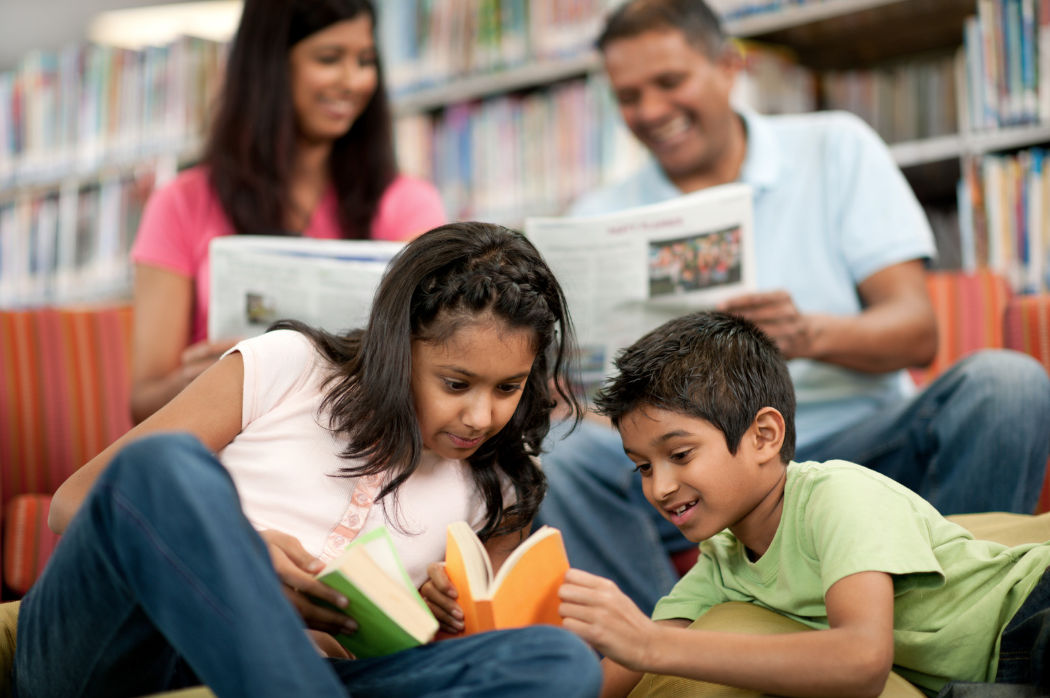
Allowing children to help choose books can encourage curiosity and excitement around reading. Making library visits part of your Thanksgiving season or monthly routine can become a meaningful family literacy tradition.