Building Phonological Awareness Through Everyday Moments
Phonological awareness is a foundational early reading skill, and the best part is you can build it naturally throughout your daily routine. Simply put, phonological awareness is your child’s ability to hear, recognize, and play with the sounds in spoken language. You don’t need worksheets or long lessons. Instead, everyday moments create meaningful opportunities to strengthen these essential pre-reading skills.
At Reading in Preschool, we believe learning should feel fun, simple, and engaging. Below are easy, effective ways to build phonological awareness during your daily activities with your child.
Play With Sounds Through Songs and Rhymes
Children naturally respond to rhythm, repetition, and movement, making songs and rhymes powerful tools for developing phonological awareness skills.
• Sing and Spell Together
Turn spelling into a fun, rhythmic chant your child can clap along with:
“T–H–E… the, the, the!”
“/k/–ah–/t/… cat, cat, cat!”
Breaking words into sounds and then blending them helps children connect letters to sounds.
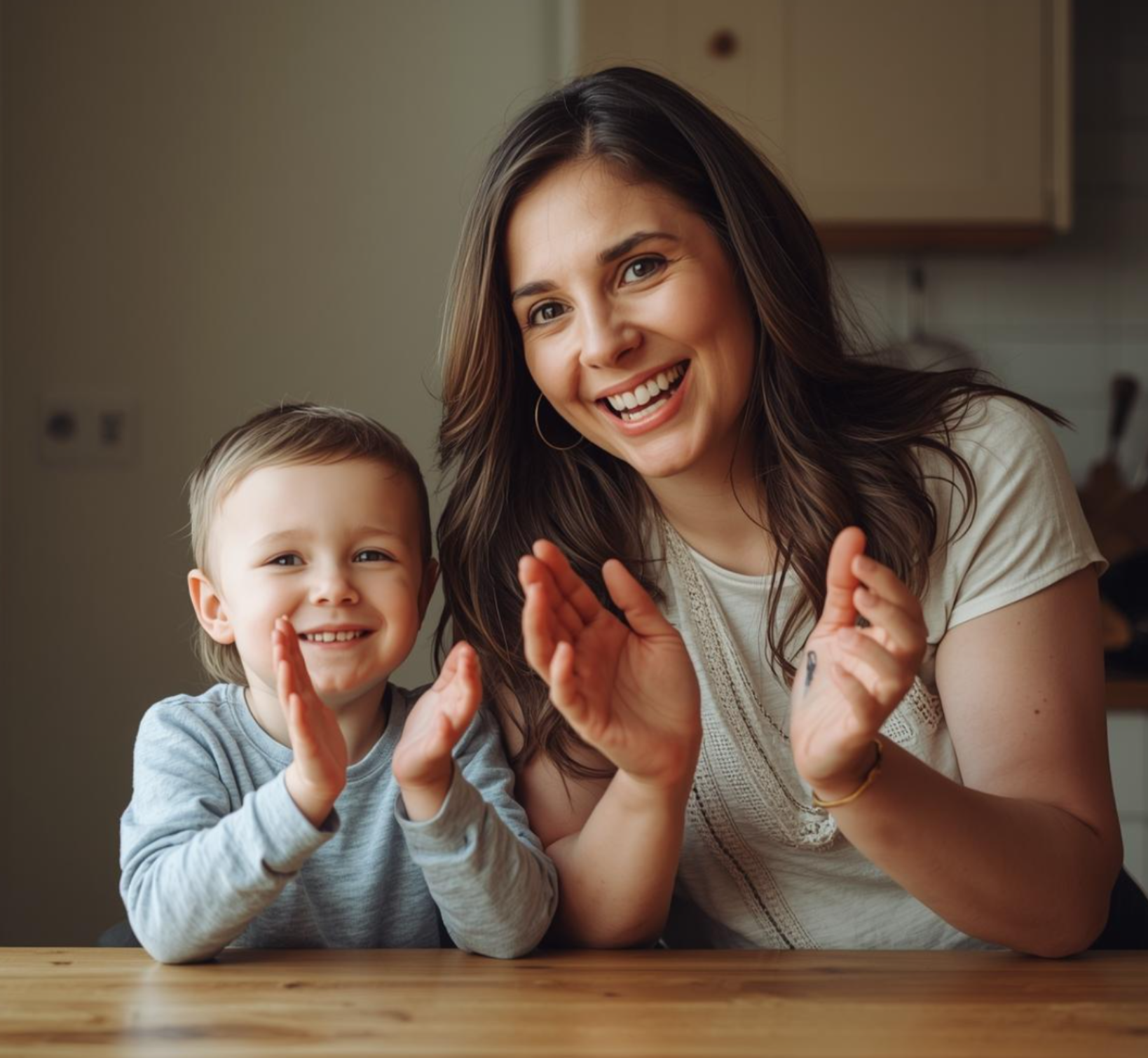
• Clap the Parts of Words
Pick a word and clap once for each syllable:
win-dow (2 claps)
um-brel-la (3 claps)
Clapping helps children feel and understand word structure.
• Play Rhyme Time
Pick a word family and take turns saying rhyming words. For “-am”: Sam, bam, cam, Pam
Rhyming strengthens sound recognition and memory.
Make Story Time Sound-Focused and Fun

Reading together becomes even more effective when you focus on how words sound rather than just their meaning. These strategies help build phonological awareness during story time:
• Read in Silly Voices
Use a robot voice, whisper voice, pirate voice, or squeaky mouse voice to keep your child engaged and aware of sound patterns.
• Try Echo Reading
Read a line, then have your child repeat it. This builds listening skills and sound awareness.
• Do a Sound Hunt
Choose a sound and look for words that begin with it:
“Let’s find all the /s/ words on this page!”
• Clap When You Hear a Target Sound
Pick a sound (like /b/) and clap whenever it appears while reading.
• Play “Switch a Sound”
Change the first sound of a word:
cat → bat → sat → hat
This helps children practice sound manipulation, a key phonological awareness skill.
Use Everyday Conversations
Daily conversations are among the easiest ways to naturally develop phonological awareness.
Ask simple questions like:
“What sound does banana start with?”
Exaggerate beginning sounds:
“Look at the b-b-b-ball!”
“Can you h-h-h-hop like a bunny?”
Play sound-based games like:
“I spy something that starts with the /m/ sound.”
Turn Playtime Into Learning
Playtime offers endless opportunities to strengthen phonological awareness in a fun, low-pressure way.
Sort toys by beginning sound:
Airplanes, Balls, Cars, Dinosaurs
Play “Going on a Picnic”:
“I’m bringing an a-a-a-apple.”
Try a sound scavenger hunt:
“Find three things that start with /t/!”
Celebrate Progress & Keep It Fun
Every small step matters when building phonological awareness. Celebrate your child’s progress, encourage their efforts, and enjoy the playful learning process. Over time, these simple activities build a strong foundation for reading success.
At Reading in Preschool, we’re here to support your child’s early literacy journey every step of the way.