1st Grade Reading Program in Upper East Side
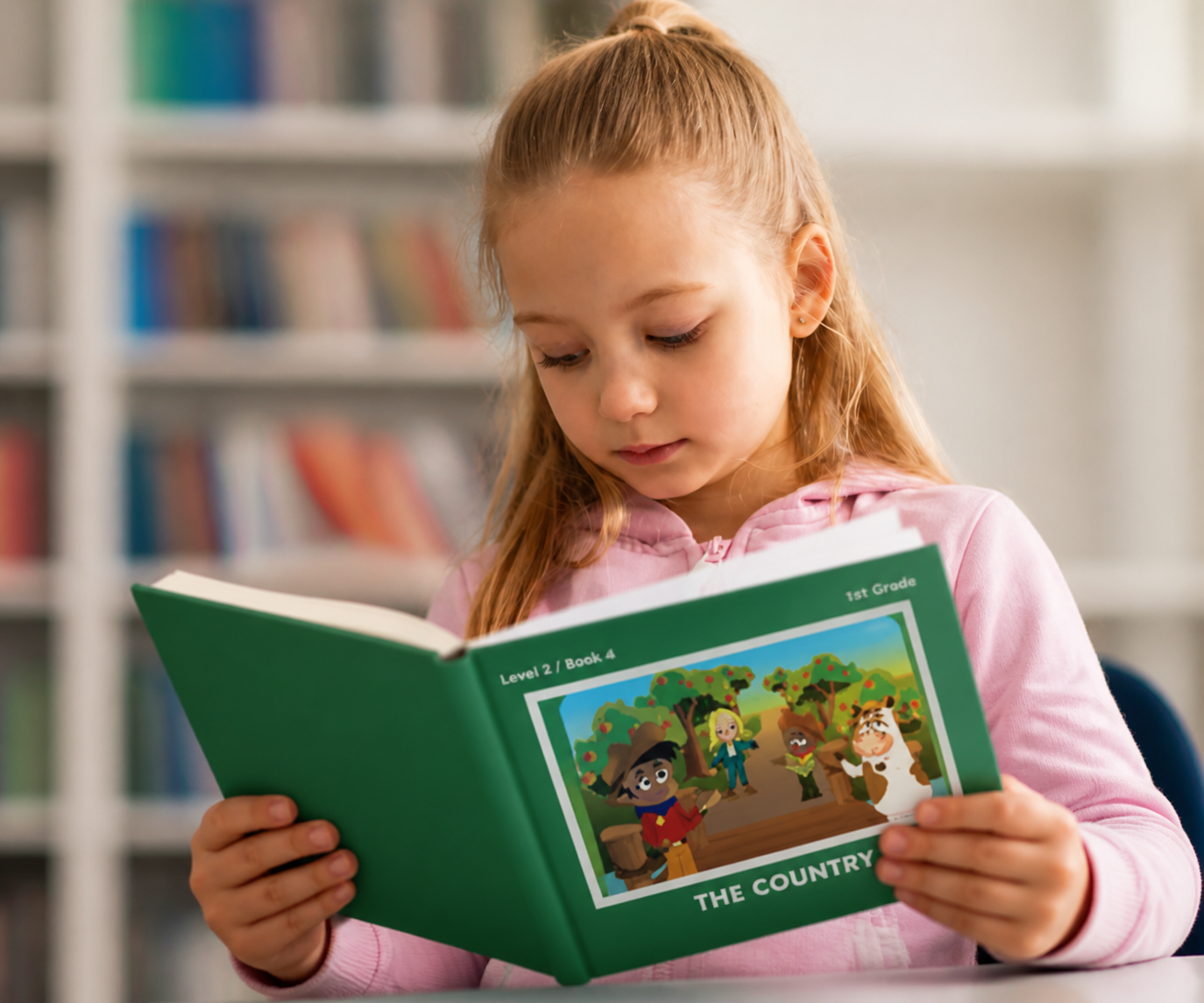
Help your child continue building essential early literacy skills with a program designed to enhance reading ability, confidence, and independent learning. At Reading In PreSchool, children in the Upper East Side benefit from personalized, engaging instruction that supports development in reading, writing, and comprehension while fostering a strong educational foundation.
Our 1st grade reading program is focused on consistent, step by step progress that allows your child in the Upper East Side to advance comfortably while fully understanding each concept. This structured approach prepares them for more advanced reading levels while encouraging confidence and long term academic success.
1st Grade Reading Program Curriculum
We follow The Alexander Reading Method, a structured phonics based learning system designed to help children expand their reading abilities through clear, step by step instruction. In the 1st grade reading program, children continue building important literacy skills such as blending sounds, decoding unfamiliar words, improving spelling accuracy, and developing early writing abilities, all taught according to their individual learning pace and style. Every child begins with an assessment designed to determine their current reading level and learning needs. Based on this evaluation, lessons are customized to ensure steady academic progress, reinforce understanding of core concepts, and build confidence as reading skills develop and become more advanced.
In-Person New York Classes
Year round in-person lessons are available to families based in New York City, Scarsdale, Rye, Rye Brook, and Greenwich, CT, offering dependable academic support in these regions. During the summer months, families also have access to in person classes in the Hamptons, allowing learning to continue seamlessly regardless of location changes.
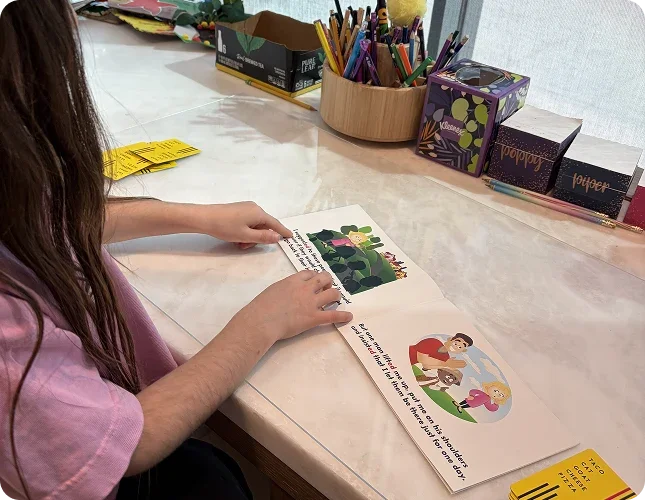
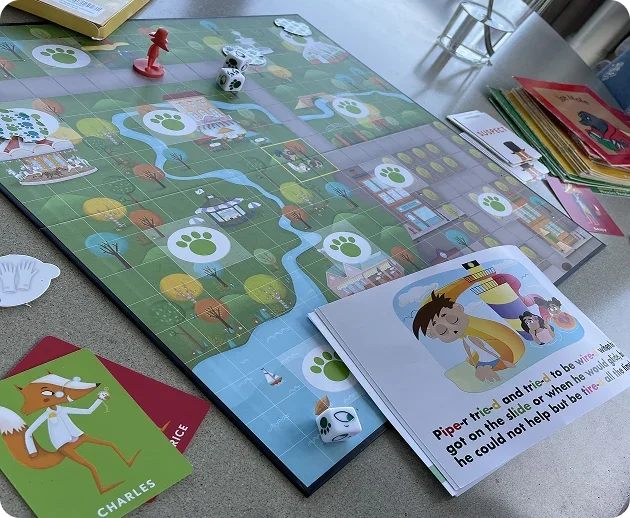
Classes are conducted in your home in the Upper East Side and follow a play based format that encourages engagement while reinforcing important academic foundations. With individualized attention and consistent instruction, children develop skills at a strong and steady pace and often move ahead by 6 to 12 months, which helps ensure a smoother and more confident transition into more advanced academic levels.
WHAT YOUR CHILD WILL LEARN
During the 1st grade program, your child progresses into more advanced reading stages while continuing to build and strengthen essential literacy skills. Children work on:
Advancing through higher reading levels with structured, guided support from instructors
Enhancing blending and decoding skills to accurately read longer and more challenging words
Developing spelling and writing abilities through consistent structured practice
Improving reading fluency while strengthening overall comprehension skills
Building confidence when working with more complex sentences and story structures
As children continue progressing, they begin preparing for chapter books in second grade, gaining the independence and confidence needed for self directed reading.
Each lesson is designed to meet your child exactly where they are, helping them steadily build skills while feeling fully supported, capable, and encouraged throughout the process.
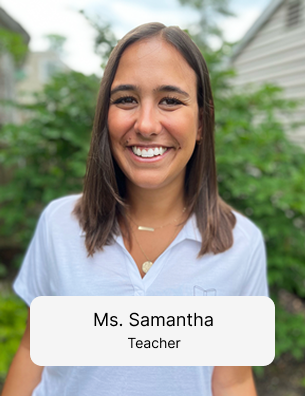
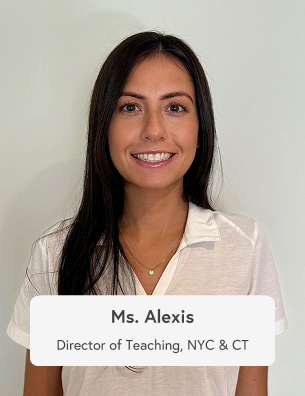
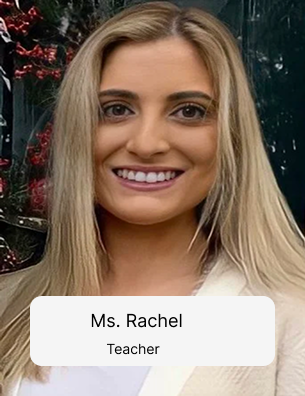
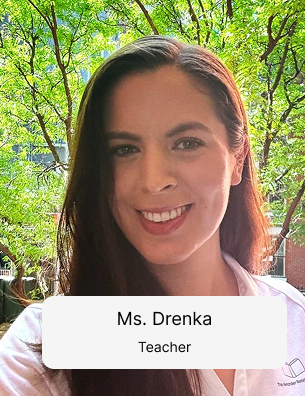
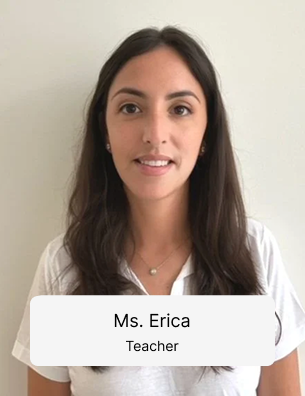
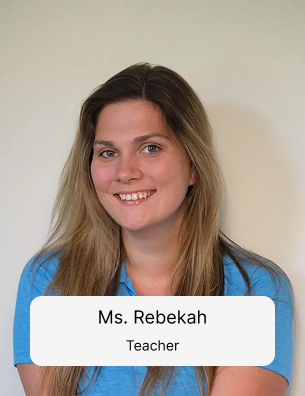
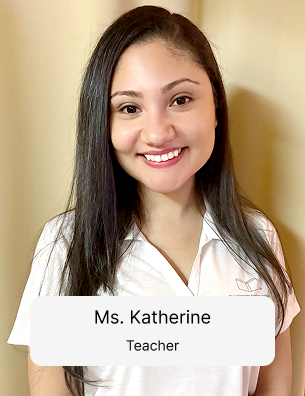
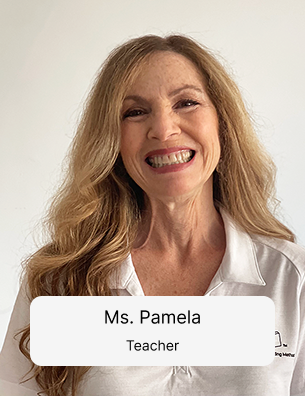
Meet the New York Team
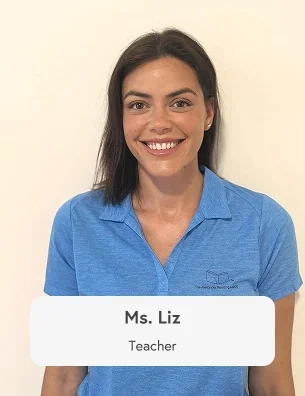
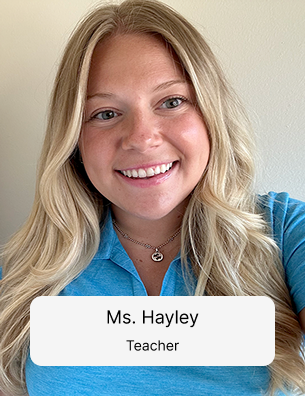
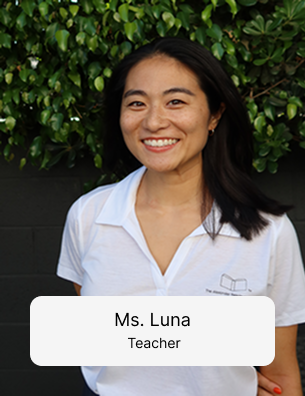
Each Reading In PreSchool teacher is a licensed educator with a background in General Education and/or Special Education. Every teacher is also professionally trained in The Alexander Reading Method to ensure consistent and structured instruction.
98% Success Rate: Trusted by Families Raising Confident Readers
The goal is to help your child feel prepared, supported, and academically ahead so they can continue growing with confidence as they progress through their education. Families in the Upper East Side often seek structured early reading development to ensure their children build strong academic foundations early on.
Since 2013, parents in the Upper East Side have trusted early literacy programs to help their children develop strong reading skills. With a 98% success rate, thousands of children have gained the confidence to read independently before reaching more advanced academic levels.
Parents often notice meaningful improvements beyond reading ability. Children become more confident, more engaged in learning environments, more active in classroom participation, and more proud of their progress and independence.

Frequently Asked Questions
Year-round in-person lessons are available in the Upper East Side and the rest of New York City, Scarsdale, Rye, Rye Brook, and Greenwich, CT. Families also have access to in-person summer classes in the Hamptons for continued learning. Every lesson is conducted in your home to provide a familiar and comfortable setting for the child.
Students must complete at least two sessions per week. Sessions are offered in 30 minute increments or longer when appropriate.
Yes. Progress reports are provided monthly, with the exception of December, March, and June due to school breaks during those periods.
Each teacher holds a Master’s degree in General Education or Special Education and is trained in The Alexander Reading Method. They additionally reflect the following qualities:
- A love of working with and teaching young children
- The ability to keep children engaged and having fun
- Empathy
- Patience
- Bubbly, with young energy
- The ability to show results
- Organized
- Great communication skills
- Respectful in our clients’ homes
- Teachers who love learning and exploring new techniques that will meet the individual child's needs
Every child learns differently and progresses at their own pace. If your child does not have processing delays or learning challenges and there are no extended breaks in instruction throughout the year, the general timeline below can be used as a guide. This estimate assumes consistent attendance of two sessions per week along with light homework assigned a few times each week.
- Age 2.5: 3 years
- Ages 3 to 4: 2-3 years
- Ages 4.5-5.5: 2 years
- Ages 5.5-6.5: 1-2 years
- Older ages: 6 months to a year
We have consistently seen that children who stop attending classes for a month or more tend to lose retention of learned material over time. On average, this may result in approximately two months of learning loss for each month of missed instruction, which can extend the overall course beyond the original projected timeline.
Yes. At Reading In PreSchool, we use explicit instruction to carefully guide beginning readers step by step as they develop toward fluent and confident reading.
Yes. Our program is supported by foundational research that focuses on strengthening letter sound relationships and helping children reach grade level expectations.
Many schools in the United States introduce structured reading instruction later and often rely on early memorization, which can create learning gaps when expectations rise in first and second grade. Without early phonics instruction and individualized support, children may feel pressured to catch up quickly, which can reduce confidence instead of building it.
Beginning earlier, when children are naturally more receptive to learning foundational skills, helps them develop strong reading abilities before higher academic demands are introduced.
Our 1st grade reading program is focused on reinforcing essential reading skills that serve as a foundation for academic success. As children grow in confidence with reading and writing, they become better prepared to meet academic expectations across all subjects throughout the year and beyond.
Yes. The Alexander Reading Method is based on evidence-driven principles that include phonics instruction, repetition, and structured skill development. It supports literacy learning in a way that aligns with natural child development and interactive learning while also addressing gaps commonly found in early education systems.
Reading aloud is an important part of instruction and is used to develop fluency, comprehension, and self confidence. With support that reinforces what is taught in school, children gradually become more comfortable reading aloud and begin building consistent independent reading habits.