Kindergarten Reading Program in Midtown
Support your child’s reading journey in Midtown Manhattan with the Reading In PreSchool Kindergarten Reading Program designed to help young learners become more confident and independent readers. Children continue improving reading fluency, expanding vocabulary, and developing essential literacy skills that prepare them for first grade success. Through personalized instruction and engaging learning activities, children build reading and writing abilities in a motivating and encouraging environment.
Kindergarten Reading Program Curriculum
Using The Alexander Reading Method, children learn through a structured phonics based approach focused on building strong reading foundations gradually and effectively. Kindergarten students continue advancing their literacy development by improving fluency, reading accuracy, vocabulary growth, and overall comprehension skills.
An initial assessment is completed for every child to help identify current skill level, learning style, and educational needs. Lessons are then personalized to support steady improvement while helping children strengthen confidence and continue developing practical reading abilities in an engaging and encouraging setting.
In-Person New York Classes
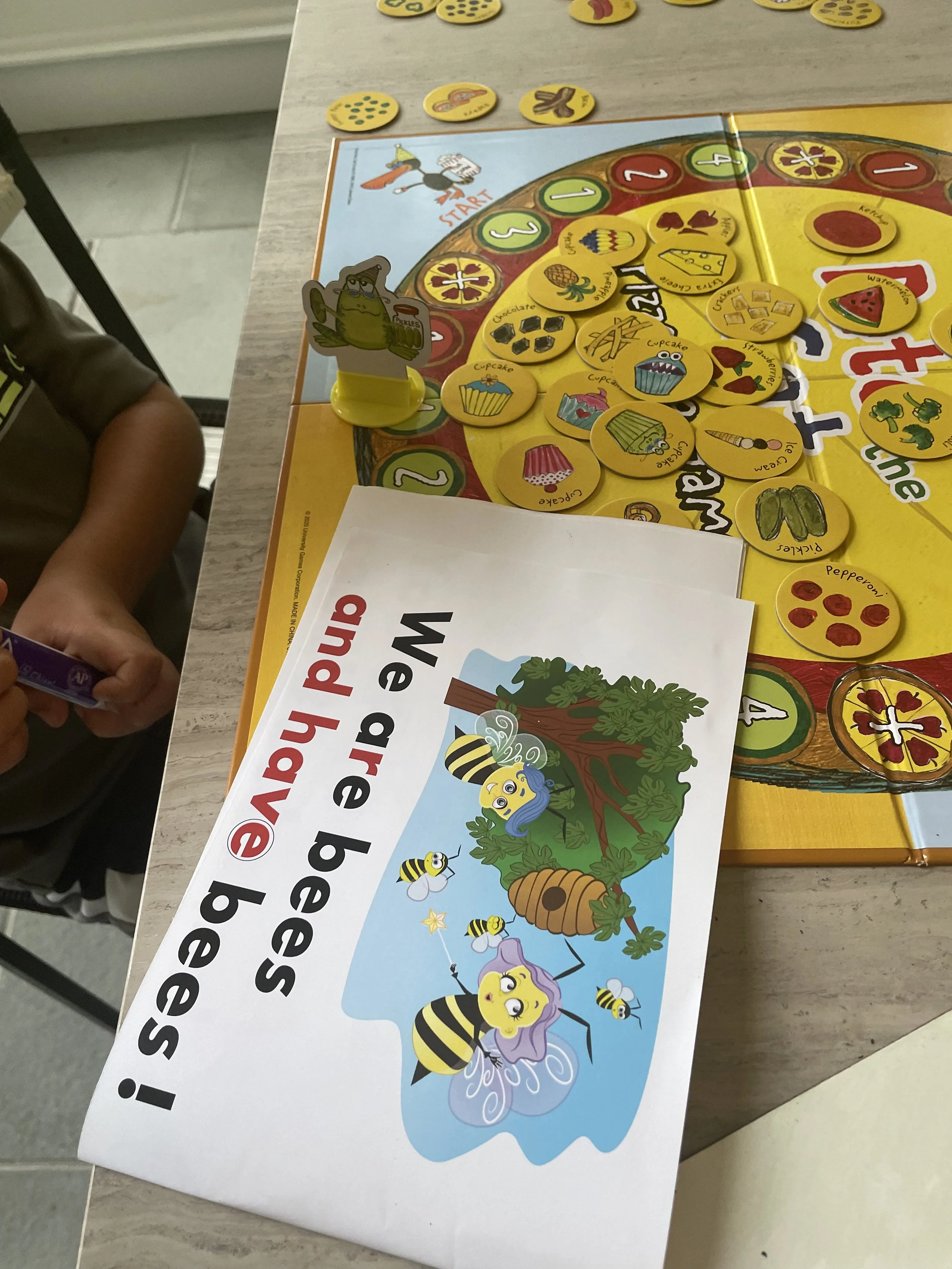
Families can access year round in-person lessons in New York City, Scarsdale, Rye, Rye Brook, and Greenwich, with additional in-person summer classes offered in The Hamptons.
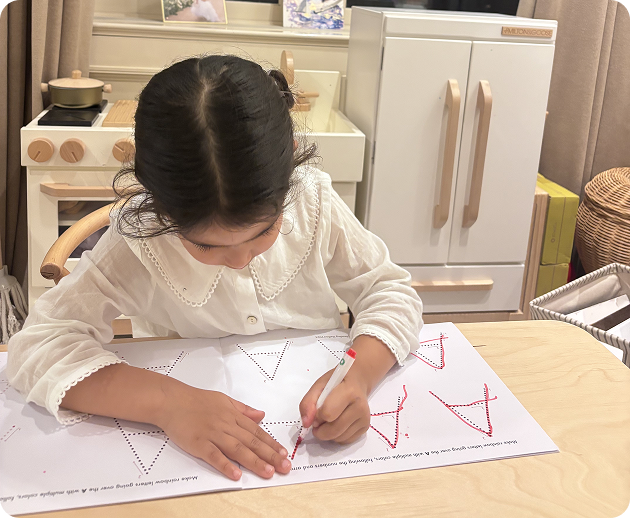
All classes take place at home and are designed around play based learning to keep children engaged while strengthening important academic foundations. With personalized guidance and one on one attention, children continue developing skills that help them stay 6 to 12 months ahead and better prepared for more advanced school expectations.
WHAT YOUR CHILD IN MIDTOWN WILL LEARN
During the Kindergarten reading program, children in Midtown work through Levels 2 and 3 while continuing to strengthen the academic foundation established during earlier learning stages. A two year Kindergarten program provides children with additional time to progress steadily, allowing them to complete Level 2 during the first year and move into Level 3 during the second year. By the time the program is completed, children are reading more confidently on their own, writing simple sentences, and entering first grade with stronger literacy skills and greater academic readiness.
In Level 2, children strengthen their reading skills by:
Learning new word patterns that help strengthen vocabulary development
Enhancing blending and decoding skills to improve reading progression
Reading more advanced words and complete sentence structures with greater ease
Building confidence while improving overall reading fluency
In Level 3, children continue progressing with:
Building stronger reading comprehension through more advanced literacy exercises
Improving fluency and expressive reading confidence during lessons
Beginning spelling instruction for children ready to expand their language skills
Encouraging sentence writing to strengthen reading and communication abilities
The program is structured to support children at their individual level, helping them build strong literacy skills while encouraging steady growth in confidence as readers and students.
Meet the New York Team
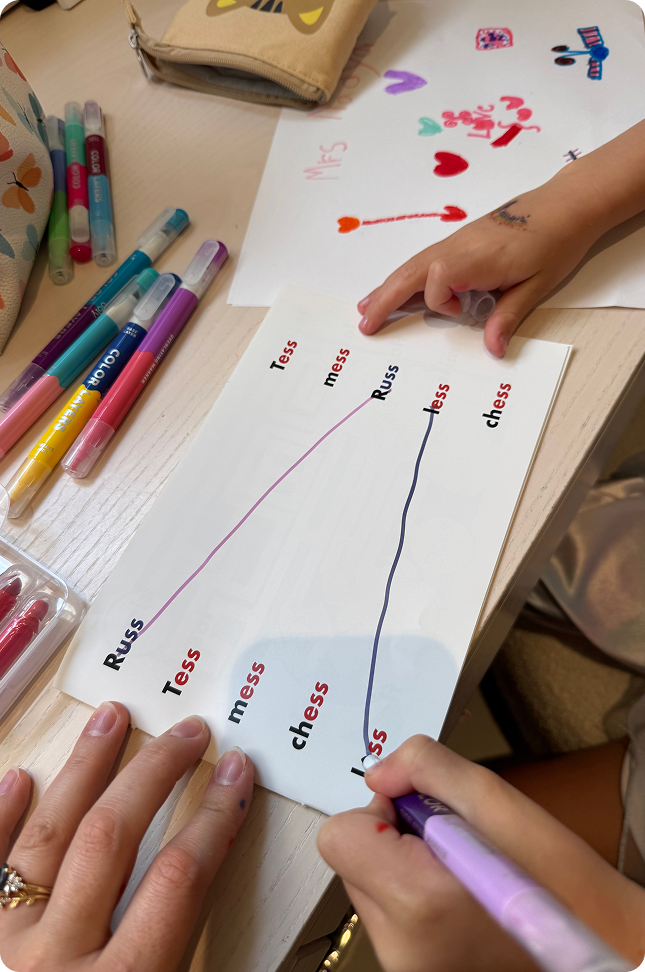
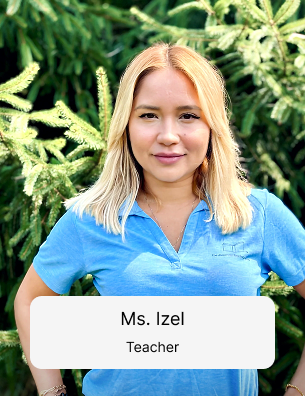
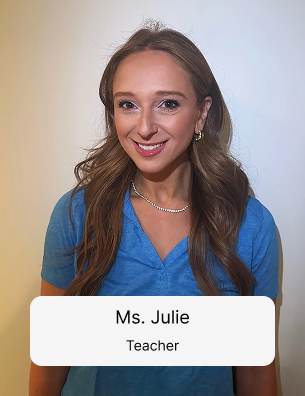
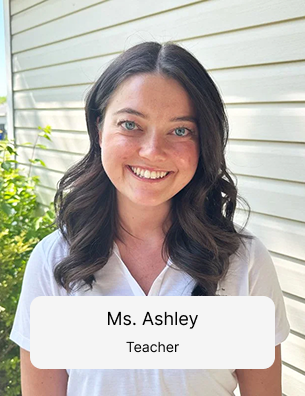
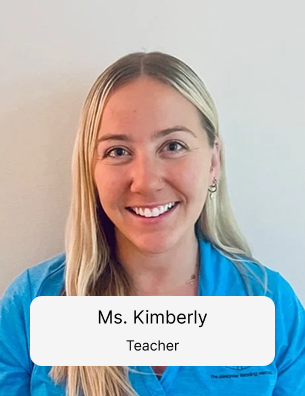
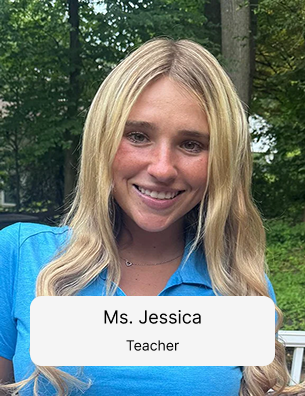
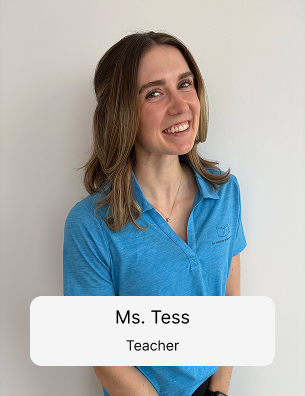
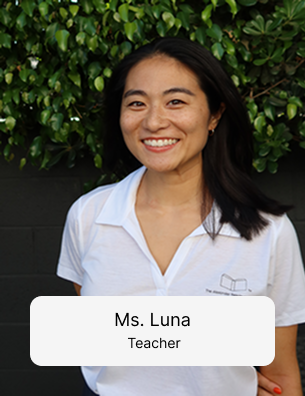
At Reading In PreSchool, every teacher is a licensed educator with classroom experience and specialized training in The Alexander Reading Method. Our teachers work closely with each child’s individual learning style and academic level to create lessons that encourage confidence, maintain engagement, and support long term reading growth.
98% Success Rate: Trusted by Families Raising Confident Readers
At Reading In PreSchool, we are committed to helping children feel supported, confident, and prepared for continued academic growth.
Since 2013, our program has helped families build strong early reading foundations that support long term learning success. With a 98% success rate, we have guided thousands of children toward becoming more capable readers before transitioning into more academically challenging grades.
Parents commonly observe positive changes that extend beyond reading development. Many children become more enthusiastic about learning, participate more confidently in school settings, and develop a stronger sense of independence and achievement through their growing academic abilities.

Frequently Asked Questions
Families located in Midtown Manhattan can participate in year round in-person lessons offered throughout New York City and surrounding service areas including Scarsdale, Rye, Rye Brook, and Greenwich. Summer in person lessons are also available in The Hamptons. All lessons are conducted in the comfort of your home.
A minimum of two sessions per week is required for every student to help maintain consistency and encourage ongoing learning progress. Families may schedule lessons for 30 minutes or extended session lengths based on the student’s individual needs and goals.
Yes. We provide monthly progress reports to keep parents updated on their child’s progress, strengths, and ongoing skill development. Reports are not issued in December, March, and June since children often have extended breaks and irregular schedules during those months.
Each of our teachers is a licensed educator with hands-on classroom experience and training in the Alexander Reading Method. Beyond their educational background, our teachers also bring the following qualities to every lesson:
- A love of working with and teaching young children
- The ability to keep children engaged and having fun
- Empathy
- Patience
- Bubbly, with young energy
- The ability to show results
- Organized
- Great communication skills
- Respectful in our clients’ homes
- Teachers who love learning and exploring new techniques that will meet the individual child's needs
Because every child has unique learning needs and strengths, reading progress may differ depending on the student. For children without learning challenges or processing delays, and for families able to maintain regular attendance without significant breaks during the year, the following serves as a general planning guideline. The timeframe is based on consistent twice weekly lessons combined with light homework practice several times per week.
- Age 2.5: 3 years
- Ages 3 to 4: 2-3 years
- Ages 4.5-5.5: 2 years
- Ages 5.5 - 6.5: 1-2 years
- Older ages: 6 months to a year
In our experience working with young learners, children who take breaks from lessons lasting one month or more frequently lose up to two months of retained learning for each month missed. This can lead to the course taking longer to complete than the general timelines outlined above.
Yes. Our Kindergarten reading program helps children continue advancing through Levels 2 and 3 as they move beyond introductory decoding skills and develop greater fluency and confidence while reading. Through structured and supportive lessons, students strengthen early literacy skills by improving phonemic awareness, expanding sight word knowledge, and building stronger accuracy with letter sounds in more detailed words and sentence patterns.
Yes. We support early readers through targeted instruction designed to reinforce important literacy foundations such as blending, decoding, and recognizing words accurately. Throughout the program, children revisit essential concepts including phonemic awareness and sight words while continuing to develop the reading skills necessary for long term academic progress.
Some schools approach reading instruction in a more generalized way and may not prioritize structured phonics or personalized pacing for every child. Because of this, children can sometimes struggle with foundational literacy concepts when they are introduced to sight words before fully understanding phonemic awareness and sound blending skills. Our reading program teaches reading step by step, helping children gain confidence and strengthen core literacy abilities before moving into higher level reading work.
In Kindergarten, we place strong emphasis on helping children become more accurate and independent readers. As students begin reading more on their own, lessons focus on reducing guessing behaviors, improving awareness of letter sounds, and helping children identify when a word or sentence does not make sense while reading. Children also practice handling longer reading activities and more detailed writing tasks, which strengthens both literacy and written communication skills. This transition supports the development of reliable reading abilities as academic expectations continue to increase in first grade.