Kindergarten Reading Program in Gramercy Park
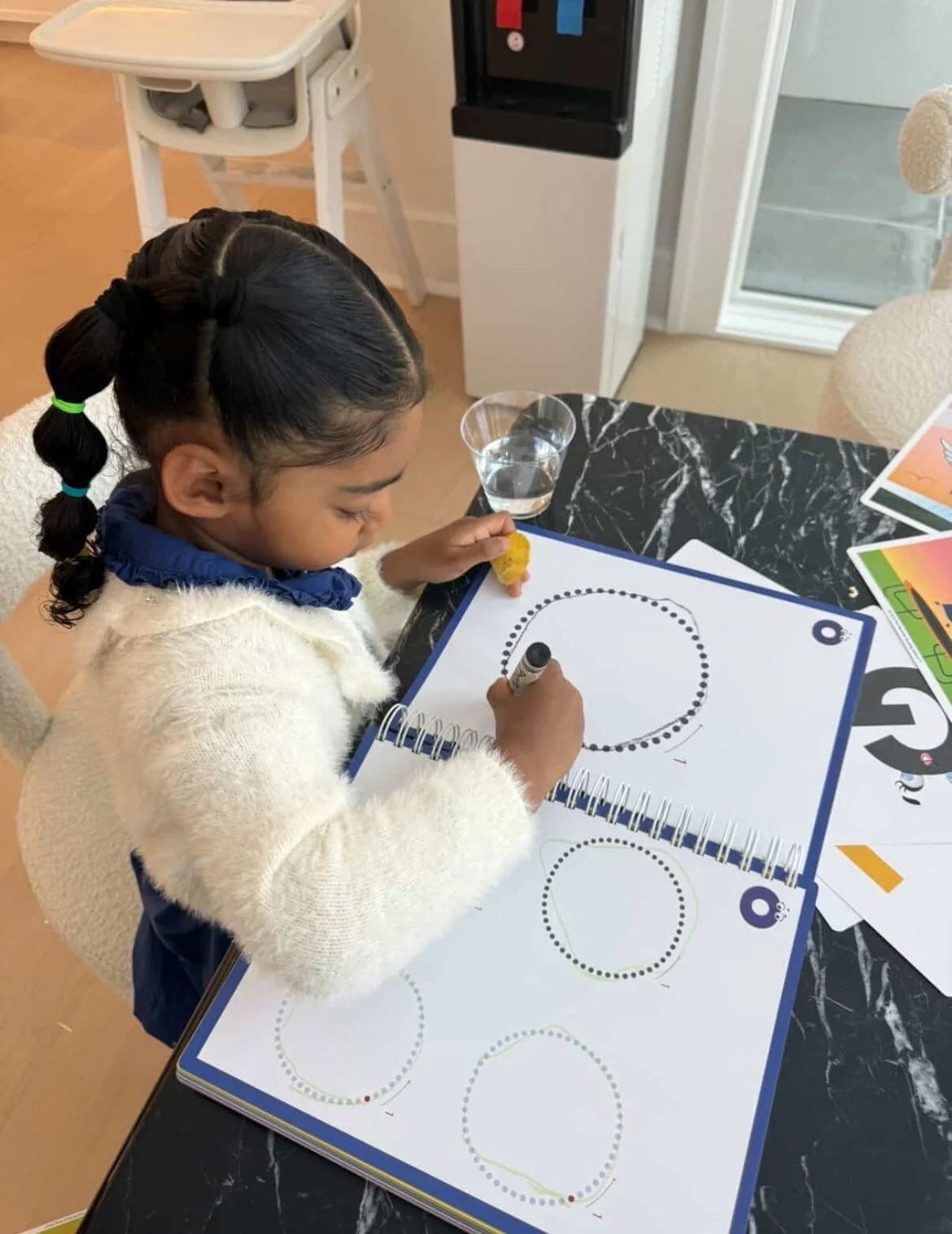
Children in Gramercy Park can continue building important early literacy skills through the Reading In PreSchool Kindergarten Reading Program. This program helps young learners strengthen reading fluency, grow vocabulary knowledge, and develop the confidence needed for a successful transition into first grade. Personalized and interactive lessons help children improve reading and writing skills while keeping learning enjoyable, encouraging, and achievable.
Kindergarten Reading Program Curriculum
The Alexander Reading Method provides children with a structured phonics based learning system designed to help reading skills develop step by step. During Kindergarten, students move beyond basic literacy concepts and begin strengthening fluency, word recognition, and comprehension in ways that prepare them for continued classroom success.
Every child starts with an initial evaluation that helps us better understand their reading ability, learning preferences, and areas needing support. From there, customized lessons are created to encourage consistent progress while helping children gain confidence and improve reading and writing skills over time.
In-Person New York Classes
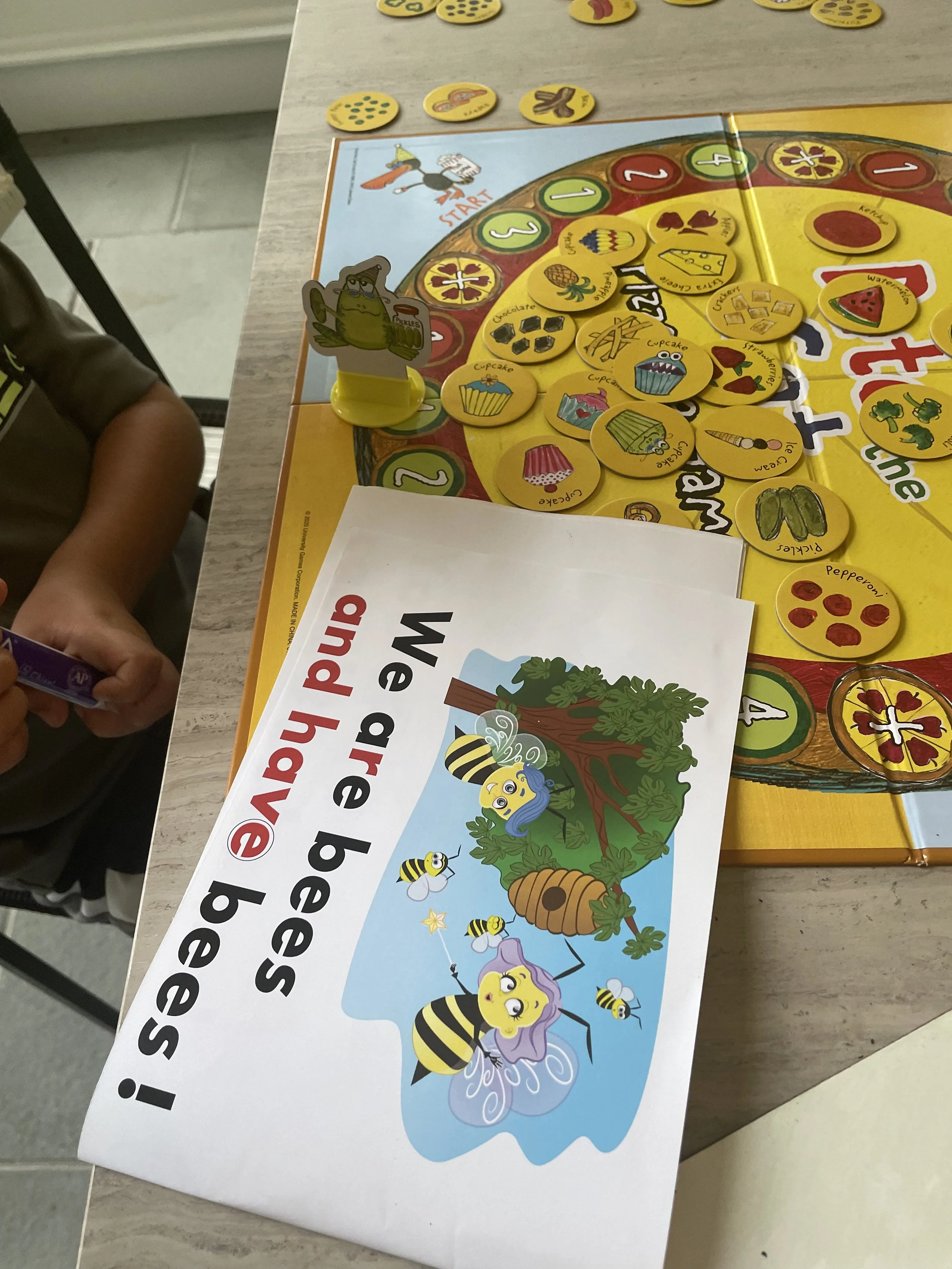
Year round in-person instruction is offered in New York City, Scarsdale, Rye, Rye Brook, and Greenwich. Families also have access to in-person summer classes available in The Hamptons.
Lessons are held in your home and follow a play based learning model that helps children stay motivated while building strong academic skills. Through individualized support and focused instruction, children strengthen the abilities needed to stay 6 to 12 months ahead academically, making future grade level transitions feel easier and less overwhelming.
WHAT YOUR CHILD IN GRAMERCY PARK WILL LEARN
In the Kindergarten program, children in Gramercy Park continue advancing through Levels 2 and 3 as they build upon the literacy skills introduced in previous years. Children who remain in the Kindergarten reading program for two years are able to progress more gradually, often completing Level 2 during the first year and transitioning into Level 3 during the following year. By the end of the program, children are reading more independently, writing basic sentences, and beginning first grade with a solid foundation in reading and writing development.
In Level 2, children strengthen their reading skills by:
Growing vocabulary skills through exposure to new phonics and word patterns
Improving decoding and blending techniques to support smoother reading
Advancing into more challenging words and sentence combinations
Developing increased fluency, comprehension, and reading confidence
In Level 3, children continue progressing with:
Advancing reading comprehension skills through increasingly detailed reading practice
Developing smoother fluency and more expressive reading patterns
Introducing foundational spelling skills for children prepared for additional learning challenges
Supporting both literacy and written communication through sentence writing activities
Every step of the learning process is tailored to meet your child where they are academically, allowing them to develop real reading skills while gaining greater confidence in their learning journey.
Meet the New York Team
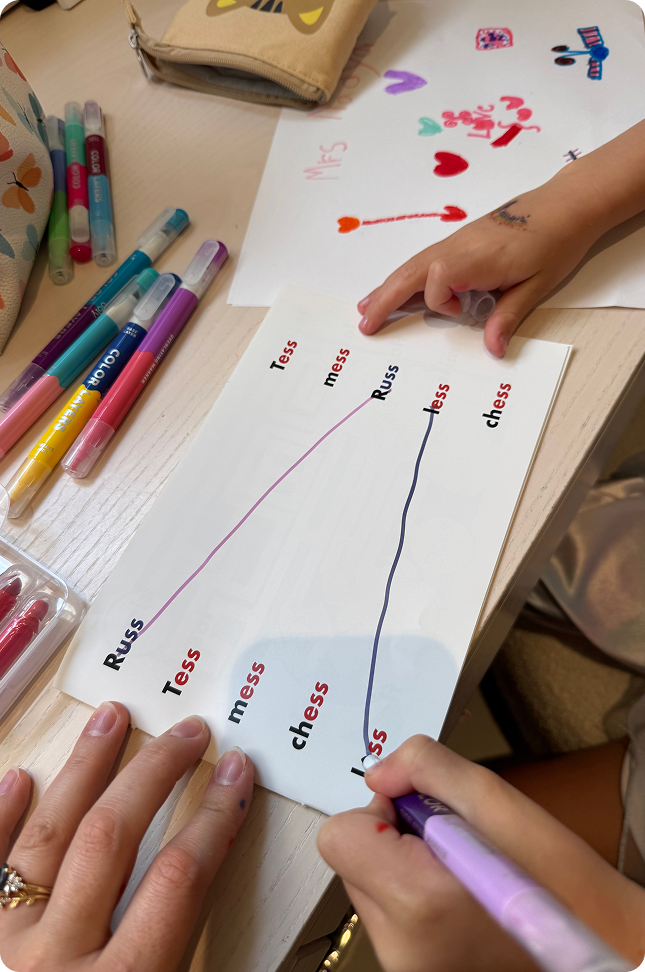
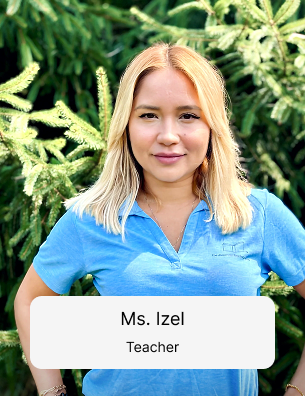
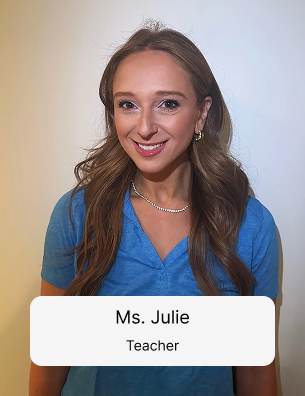
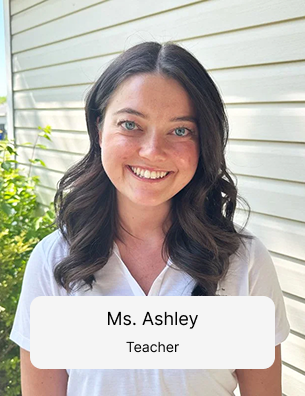
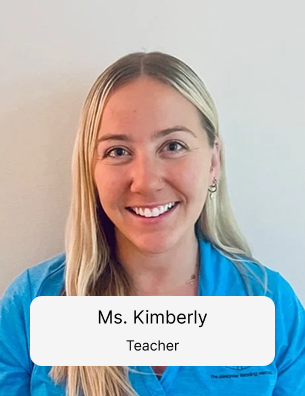
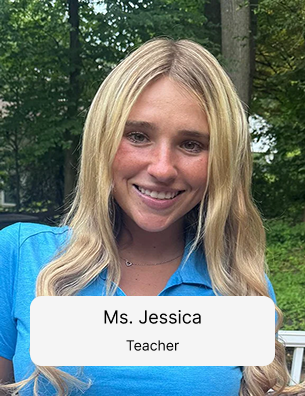
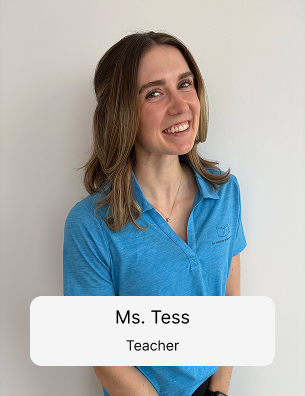
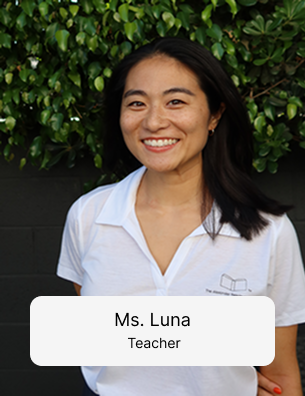
At Reading In PreSchool, every teacher is a licensed educator with classroom experience and specialized training in The Alexander Reading Method. Our teachers work closely with each child’s individual learning style and academic level to create lessons that encourage confidence, maintain engagement, and support long term reading growth.
98% Success Rate: Trusted by Families Raising Confident Readers
The mission of Reading In PreSchool is to help children feel confident, supported, and ready for future academic success.
Since 2013, families have relied on our program to help young learners establish strong reading foundations at an early age. Supported by a 98% success rate, our program has helped thousands of children develop the literacy skills needed to enter more advanced grades with greater confidence and readiness.
In addition to stronger reading abilities, parents frequently notice meaningful growth in their child’s confidence and attitude toward learning. Children often become more engaged in school, participate more comfortably in classroom activities, and feel increasingly proud of their ability to learn and work independently.

Frequently Asked Questions
In-person lessons are available for families in Gramercy Park through our year round programs offered across New York City, Scarsdale, Rye, Rye Brook, and Greenwich. Families spending summers in The Hamptons may also continue with in person instruction during the season. Lessons are conveniently taught in your home environment.
To support effective learning and continued reading development, students are required to attend at least two sessions each week. Lesson durations can be scheduled for 30 minutes or longer depending on the level of instruction and the child’s educational needs.
Yes. Families receive progress reports each month so they can follow their child’s academic growth and reading development over time. Progress reports are not distributed during December, March, and June because those months typically include multiple school breaks and schedule interruptions.
Our teaching team consists of licensed educators with classroom teaching experience and formal training in the Alexander Reading Method. Along with their professional expertise, they are known for possessing the following qualities:
- A love of working with and teaching young children
- The ability to keep children engaged and having fun
- Empathy
- Patience
- Bubbly, with young energy
- The ability to show results
- Organized
- Great communication skills
- Respectful in our clients’ homes
- Teachers who love learning and exploring new techniques that will meet the individual child's needs
Each child develops reading skills at an individual pace, which means progress timelines can vary from student to student. For children who do not have processing delays or learning difficulties and who attend lessons consistently throughout the year without major interruptions, the following represents a general timeframe to expect. This estimate is based on twice weekly instruction along with light homework completed a few times each week.
- Age 2.5: 3 years
- Ages 3 to 4: 2-3 years
- Ages 4.5-5.5: 2 years
- Ages 5.5 - 6.5: 1-2 years
- Older ages: 6 months to a year
We have found that when children step away from classes for a month or longer, they often experience a loss of approximately two months of learning progress for every month of missed instruction. Because of this, longer breaks may extend the overall duration of the program beyond the expected timeframes noted above.
Yes. The Kindergarten reading program focuses on helping children strengthen reading skills through Levels 2 and 3 while transitioning from early decoding into smoother and more confident reading. Throughout the program, children continue developing important literacy foundations through structured lessons that support phonemic awareness, increase sight word vocabulary, and improve pronunciation accuracy with increasingly complex words and sentences.
Yes. Our learning approach helps early readers strengthen core literacy skills through structured instruction focused on blending, decoding, and word recognition development. Children continue practicing foundational concepts like phonemic awareness and sight word familiarity while building the reading abilities needed to remain confident as school expectations become more advanced.
Reading instruction in many schools is often taught through broader classroom methods, which may not always focus heavily on structured phonics or learning at an individual pace. This can create early literacy gaps when children are expected to recognize sight words without first mastering phonemic awareness or understanding how letter sounds work together. Our program teaches reading gradually and systematically so children develop confidence and foundational skills before advancing to more challenging material.
Our Kindergarten instruction focuses heavily on building reading accuracy and encouraging independent learning habits. Since children are expected to complete more reading on their own at this stage, we work on correcting guessing patterns, improving sound recognition, and teaching children to notice when reading does not sound correct or flow naturally. Students also begin completing longer reading exercises and fuller written responses, helping strengthen both reading comprehension and writing control. These skills create a stronger literacy foundation as children prepare for the increased demands of first grade.