Cooking With Kids: A Recipe for Reading Success
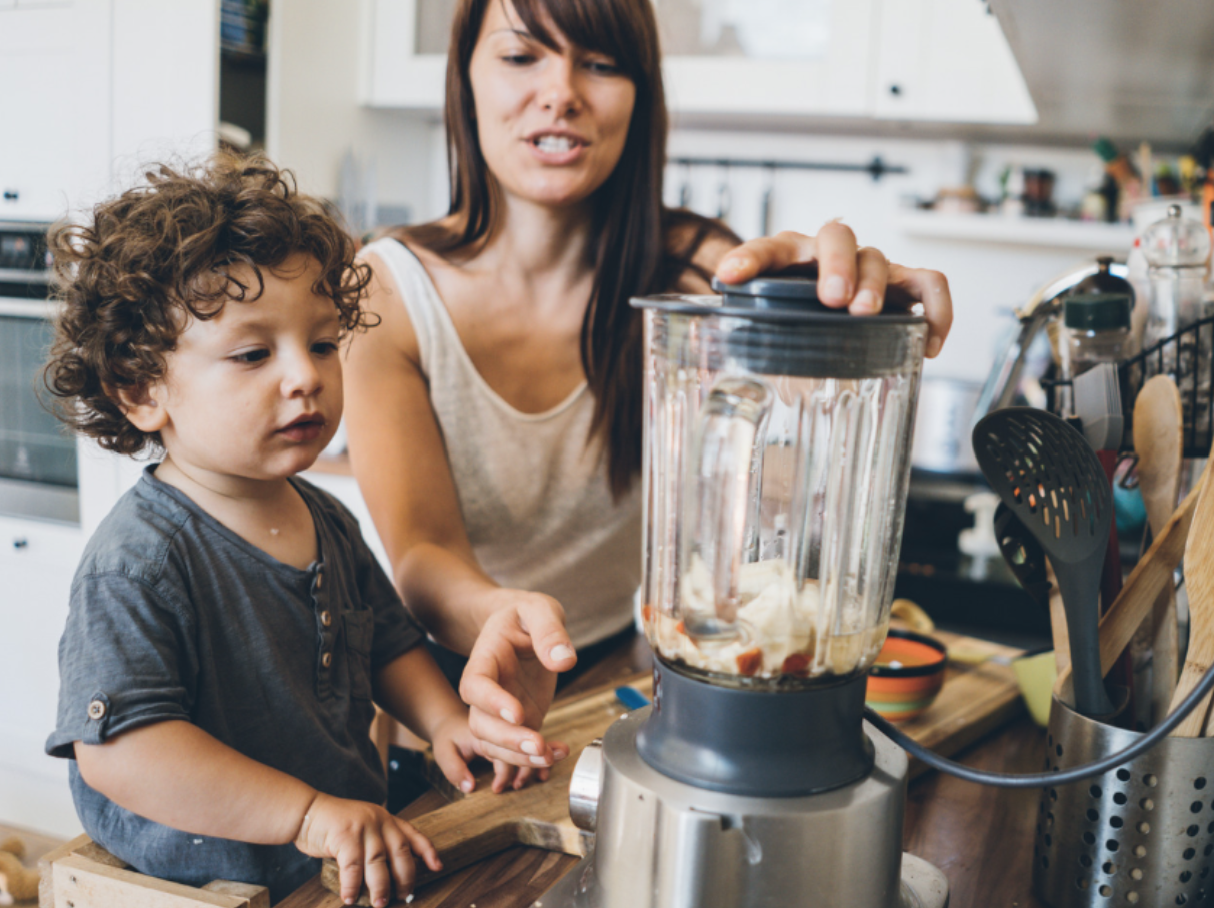
Summer is the perfect time to slow down, connect with your child, and add a little fun summer learning into your routine. One of the easiest (and yummiest!) ways to boost early literacy skills at home is to cook with your child.
Yes — your kitchen isn’t just a place for snacks. It’s a built-in reading classroom filled with opportunities for language development, sequencing, and learning through play.
Why Cooking Helps Your Preschooler Become a Better Reader
Cooking with kids supports preschool reading skills in ways that feel completely natural and fun:
📘 Builds Strong Vocabulary
Recipes introduce new, rich vocabulary such as stir, mix, measure, pour, sprinkle, and scoop. Hearing and using these words prepares children for reading and comprehension.
🧠 Strengthens Sequencing (a Key Reading Skill)
Following a recipe teaches beginning, middle, and end — the same structure used in stories. When your child tells you what comes next, they’re developing essential comprehension skills.
👀 Increases Print Awareness
Pointing to labels, ingredient lists, and simple recipes helps kids understand that print carries meaning — a foundational pre-reading skill.
🗣️ Boosts Listening & Following Directions
Cooking is one of the best reading activities for preschoolers because it requires focus, order, and listening. These skills directly support early reading success.
Fun Summer Recipes Kids Can “Read”
Here are simple, kid-friendly recipes that double as summer reading activities:
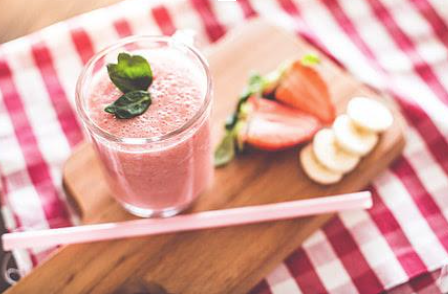
1. Banana Berry Smoothie (Easy Picture Recipe)
Ingredients: banana, berries, yogurt, honey (optional)
Steps:
Peel the banana
Place ingredients in blender
Blend until smooth
Pour and drink!
Literacy Tip:
Have your child repeat each step to build sequencing and memory.
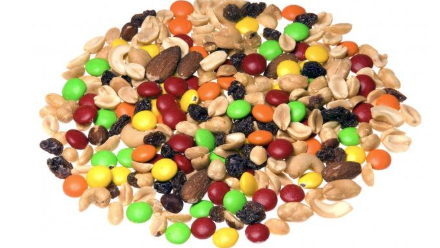
2. DIY Trail Mix (Perfect for Little Hands)
Ingredients: cereal, raisins, pretzels, chocolate chips, nuts (if no allergies)
Steps:
Choose ingredients
Count pieces
Stir everything together
Serve and enjoy
Literacy Tip:
Use sequencing words like first, next, and last — powerful for early literacy.
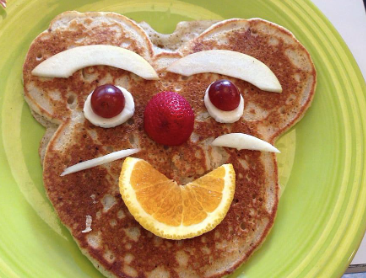
3. Mini Pancake Faces (Creative Learning Through Play)
Ingredients: pancake batter, fruit, yogurt
Steps:
Pour small circles
Flip when bubbly
Decorate with fruit faces
Literacy Tip:
Ask your child to tell a short story about their pancake character — a great oral language exercise.
Extra Ways to Boost Literacy in the Kitchen
For even more reading-rich moments:
Create picture recipes your child can follow
Go on a letter hunt on food labels
Ask questions like “What comes next?”
Let your child “read” the recipe back to you
Talk about ingredients, textures, and colors to build vocabulary
These small conversations are a big part of supporting early reading development.
A Final Bite of Encouragement
Cooking with kids doesn’t have to be fancy or time-consuming. Every spoonful, stir, and shared moment helps your child grow stronger reading skills — all while having fun together.
So this July, mix a little learning into your summer kitchen adventures and enjoy a sweet, simple recipe for reading success!