1st Grade Reading Program in Midtown
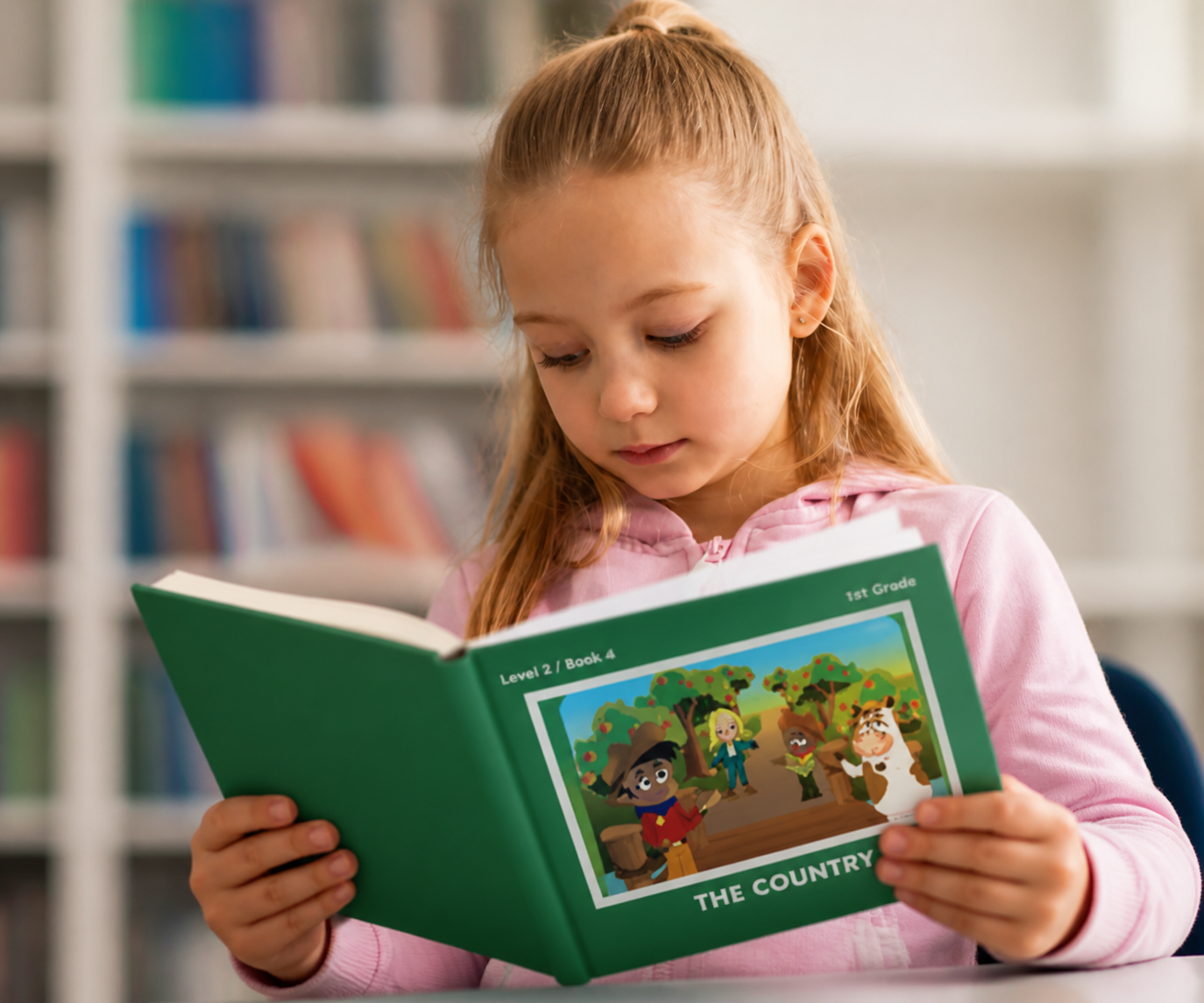
Help your child develop a solid early reading foundation through a program focused on improving literacy skills, confidence, and independent learning. At Reading In PreSchool, children in Midtown engage in personalized lessons that are both structured and interactive, helping them strengthen reading, writing, and comprehension skills in a way that supports long term academic success.
Our 1st grade reading program emphasizes gradual progression, allowing your child in Midtown to move forward with confidence while mastering each stage of learning. This approach ensures they are well prepared for more advanced reading material while maintaining steady and measurable growth.
1st Grade Reading Program Curriculum
We utilize The Alexander Reading Method, a structured phonics based framework that helps children develop stronger reading foundations through guided, progressive instruction. In the 1st grade reading program, students continue working on key literacy skills including sound blending, word decoding, spelling development, and written language skills, all taught in a way that respects each child’s unique learning speed and style.
Each student begins with an initial evaluation that determines their current reading level and identifies specific areas of focus. Using this information, lessons are personalized to promote continuous improvement, strengthen comprehension skills, and support growing confidence as reading material becomes more advanced.
In-Person New York Classes
In-person instruction is offered year round for families in New York City, Scarsdale, Rye, Rye Brook, and Greenwich, CT, ensuring reliable access to structured educational support across these communities. During the summer period, families can also participate in in person learning sessions in the Hamptons, allowing children to maintain academic consistency throughout the year.
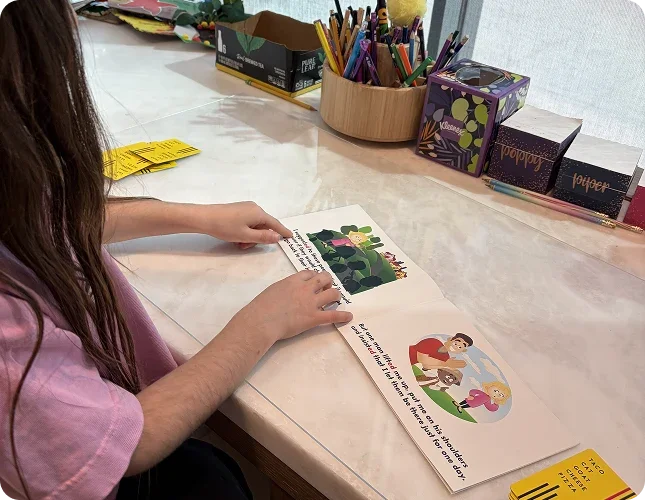
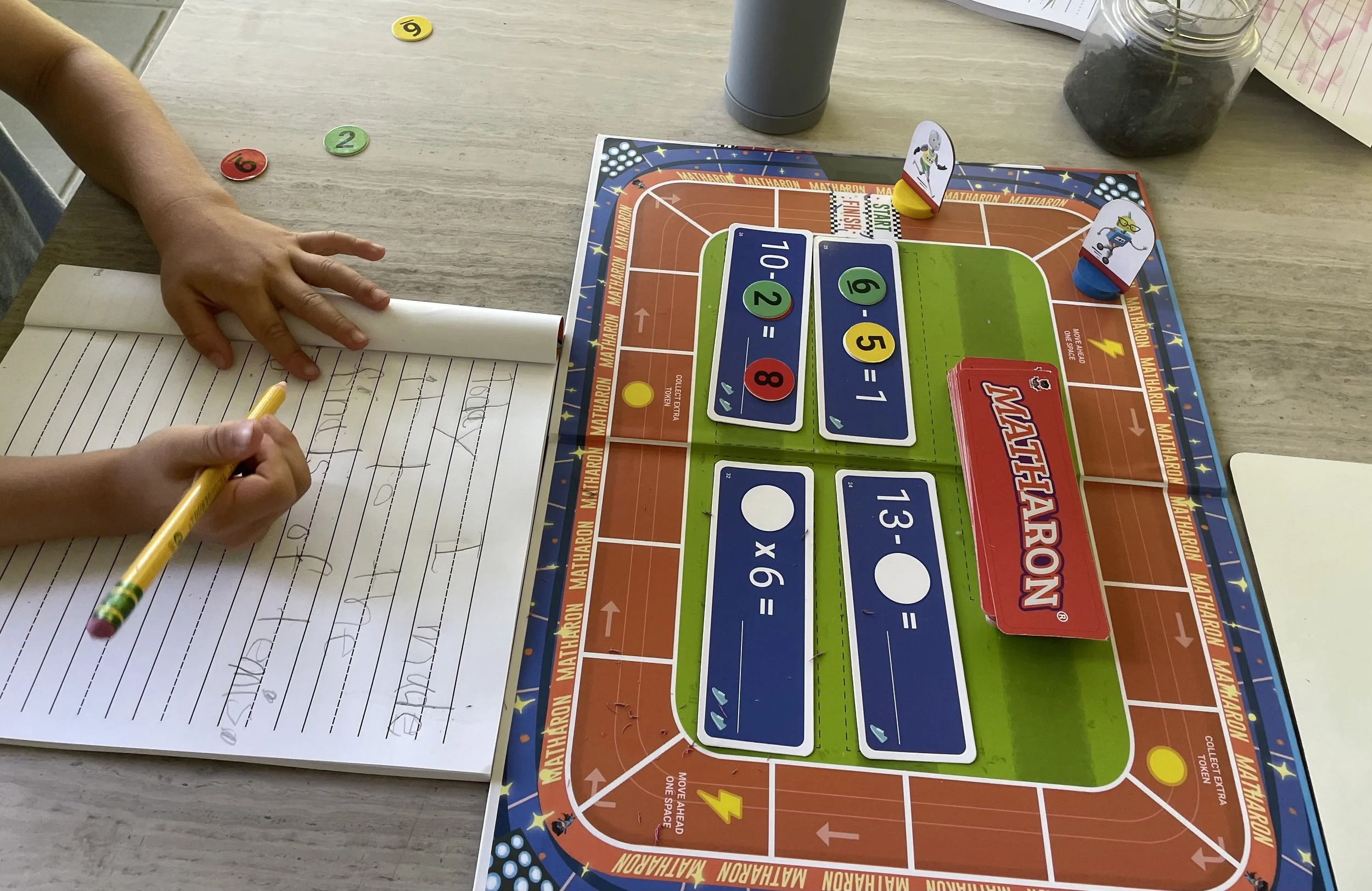
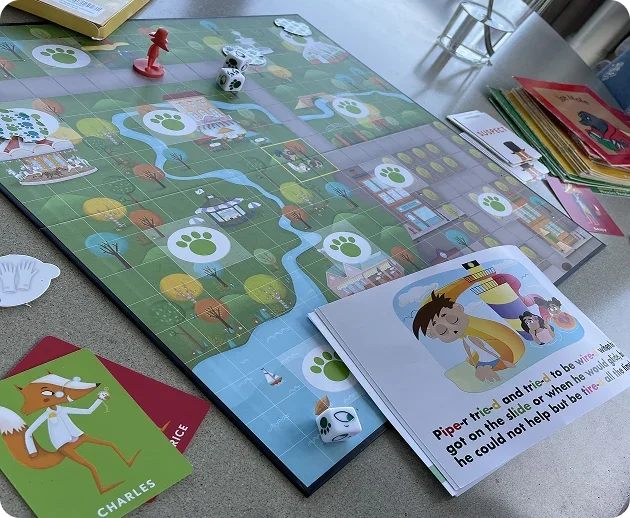
Lessons are held in your Midtown home and are designed around a play based learning approach that keeps children motivated while still building core academic skills. With regular one-on-one attention and guided instruction, students steadily strengthen their abilities and frequently advance 6 to 12 months ahead, helping them transition more confidently into higher grade levels.
WHAT YOUR CHILD WILL LEARN
During the 1st grade program, your child continues progressing through more advanced reading levels while reinforcing key foundational skills needed for literacy development. Children work on:
Moving through higher reading levels with consistent guided support and instruction
Strengthening blending and decoding skills to read longer and more complex vocabulary
Building spelling and written expression skills through structured learning activities
Improving reading fluency and developing stronger comprehension abilities
Increasing confidence when reading more complex sentences and narrative stories
As they advance, children begin preparing for chapter books in second grade, gradually developing the independence and confidence needed for reading on their own.
Each lesson is tailored to your child’s current level, ensuring steady progress while maintaining a sense of support, confidence, and capability throughout their development.
Meet the New York Team
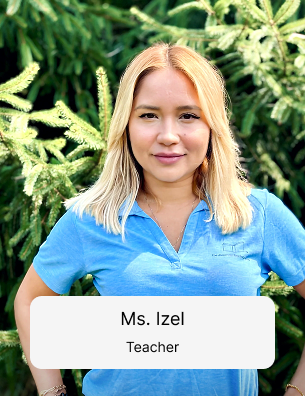
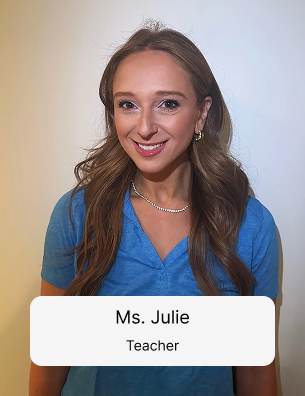
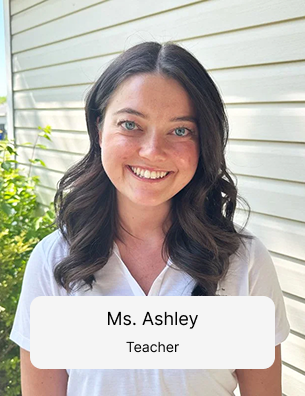
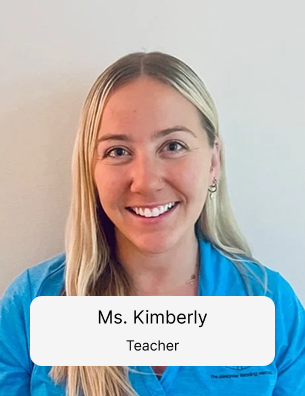
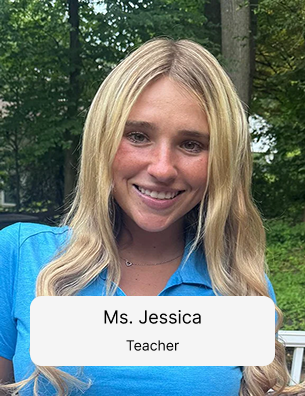
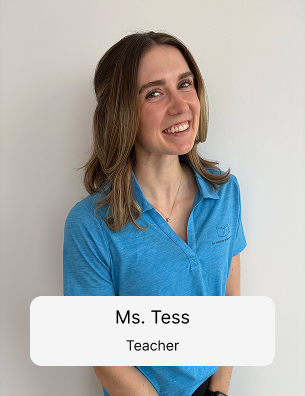
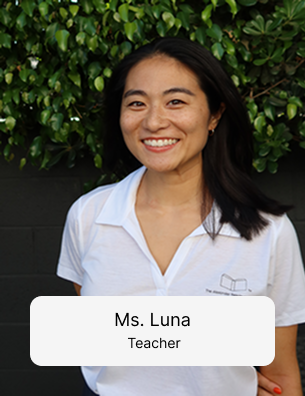
Each Reading In PreSchool teacher is a licensed educator with a background in General Education and/or Special Education. Every teacher is also professionally trained in The Alexander Reading Method to ensure consistent and structured instruction.
98% Success Rate: Trusted by Families Raising Confident Readers
The goal is to ensure your child feels ready, supported, and ahead so they can continue building confidence throughout their academic development. Families in Midtown often prioritize early reading support to give their children a strong foundation that helps them succeed in school and beyond.
Since 2013, parents in Midtown have chosen early literacy programs to strengthen their children’s reading abilities at an early stage. With a 98% success rate, thousands of children have become confident readers before moving into more advanced grade levels.
Parents commonly notice significant changes in their children. Improved reading skills are paired with increased confidence, stronger participation in school activities, and a greater sense of pride in independent learning.

Frequently Asked Questions
In-person lessons are offered throughout the year across New York City, including Midtown, Scarsdale, Rye, Rye Brook, and Greenwich, CT. In addition, families may continue in-person learning during the summer in the Hamptons. All sessions take place in the comfort of your home to support focused and convenient instruction.
A minimum of two sessions per week is required per student. Lessons can be arranged in 30 minute sessions or longer depending on preference.
Yes. We send progress reports every month except during December, March, and June when children are typically on break.
Our teachers are highly qualified with Master’s degrees in General Education and or Special Education and are trained in The Alexander Reading Method. They also embody the following qualities:
- A love of working with and teaching young children
- The ability to keep children engaged and having fun
- Empathy
- Patience
- Bubbly, with young energy
- The ability to show results
- Organized
- Great communication skills
- Respectful in our clients’ homes
- Teachers who love learning and exploring new techniques that will meet the individual child's needs
Each child is unique in how they learn and develop skills over time. When there are no learning or processing delays and sessions are attended consistently without significant interruptions, the timeline provided below serves as a general guide. It is based on a steady schedule of twice weekly classes and light homework completed several times per week.
- Age 2.5: 3 years
- Ages 3 to 4: 2-3 years
- Ages 4.5-5.5: 2 years
- Ages 5.5-6.5: 1-2 years
- Older ages: 6 months to a year
Our experience shows that when children take a break from lessons for a period of one month or longer, they often begin to forget previously covered material. This can translate into an estimated loss of about two months of learning for every month of interruption, which may cause the program to take longer than initially planned.
Yes. At Reading In PreSchool, beginning readers are taught through explicit instruction that supports them step by step as they progress toward reading fluency.
Yes. Our approach draws on foundational research to build strong letter sound relationships and guide children toward grade level reading success.
In many U.S. schools, structured reading instruction is delayed and early learning often depends on memorization, which can lead to gaps when academic expectations increase in first and second grade. When phonics and individualized instruction are not introduced early, children may feel rushed to keep up, creating added stress rather than confidence.
Starting reading instruction at an earlier stage, when children are developmentally ready, allows them to build strong foundational skills before more advanced demands begin.
Our 1st grade reading program helps build strong foundational literacy skills that contribute to overall academic growth. As children develop greater confidence in reading and writing, they are better able to keep pace with learning expectations across subjects throughout the school year and in future grades.
Yes. The Alexander Reading Method is an evidence-based system that emphasizes phonics, structured repetition, and step by step progression. It supports the way children naturally learn through engaging and interactive methods while also addressing common literacy gaps seen in many educational environments.
Reading aloud is integrated into daily instruction to help children strengthen fluency, comprehension, and confidence. With support that aligns with classroom learning, children become more comfortable reading aloud and gradually build stronger independent reading skills.