Starting the New Year With Clarity: How We Teach Letter Sounds the Right Way
A brand-new year brings fresh goals, fresh energy, and a fresh wave of questions about how letter sounds should be taught.
We understand the confusion — written letters and spoken sounds do not match in a simple one-to-one way. So today, we’d like to clear up some misconceptions and give you a helpful guide to how the Alexander Reading Method introduces phonetic sounds.
Why Letter Names and Letter Sounds Are Not the Same

Every letter has a name (A, B, C…), but that name does not match the sound a child uses when reading.
A child may proudly sing the ABC song — and that’s adorable! — but it doesn’t prepare them to read words like cat, bed, or sun. Reading requires learning the sound the letter represents, not just the letter’s name.
And here’s the tricky part:
The real sound of a letter is extremely hard to show in writing.
The Vowel Sounds: More Complicated Than They Look
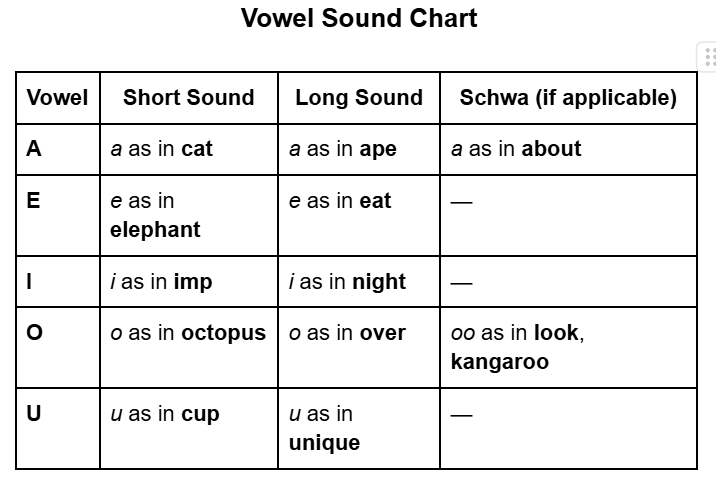
In English, the five vowels (A, E, I, O, U) each have more than one sound. This Vowel Sound Chart below is an attempt to show what should be taught to your child when they are learning their letter sounds. Combinations of vowels (like ea, ou, oi) create even more sounds, which we teach later.
How the Alexander Reading Method Introduces Sounds
Our approach begins with short vowel sounds, because these appear most often in early reading.
We do introduce a few necessary sight words, but longer vowel patterns, diphthongs, and double vowels come later — once a child is confidently decoding short-vowel words. This order helps children build strong, reliable reading foundations.
What About Consonants?
This is the area where most misunderstandings happen.
In linguistic science, consonant sounds are shown using a special symbol chart — but these symbols are far too complex for children.
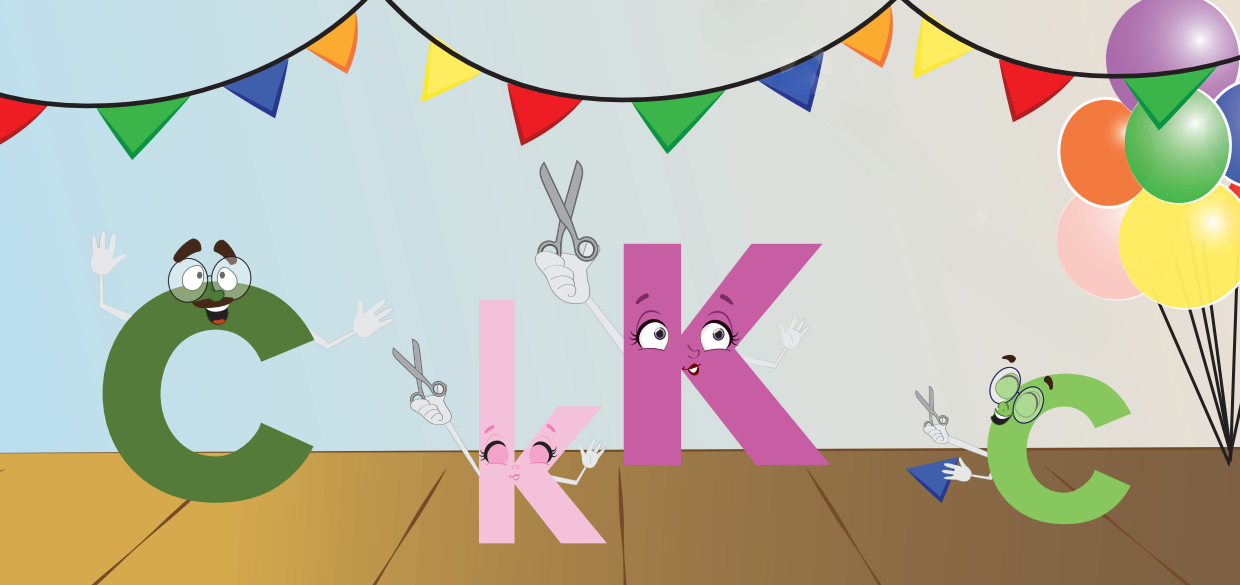
The sounds that need to be taught to a child or learner are much more easily and properly depicted with an audio visual presentation, thus avoiding the slight vowel sound that gets tagged onto the end of a consonant when it is represented in script.
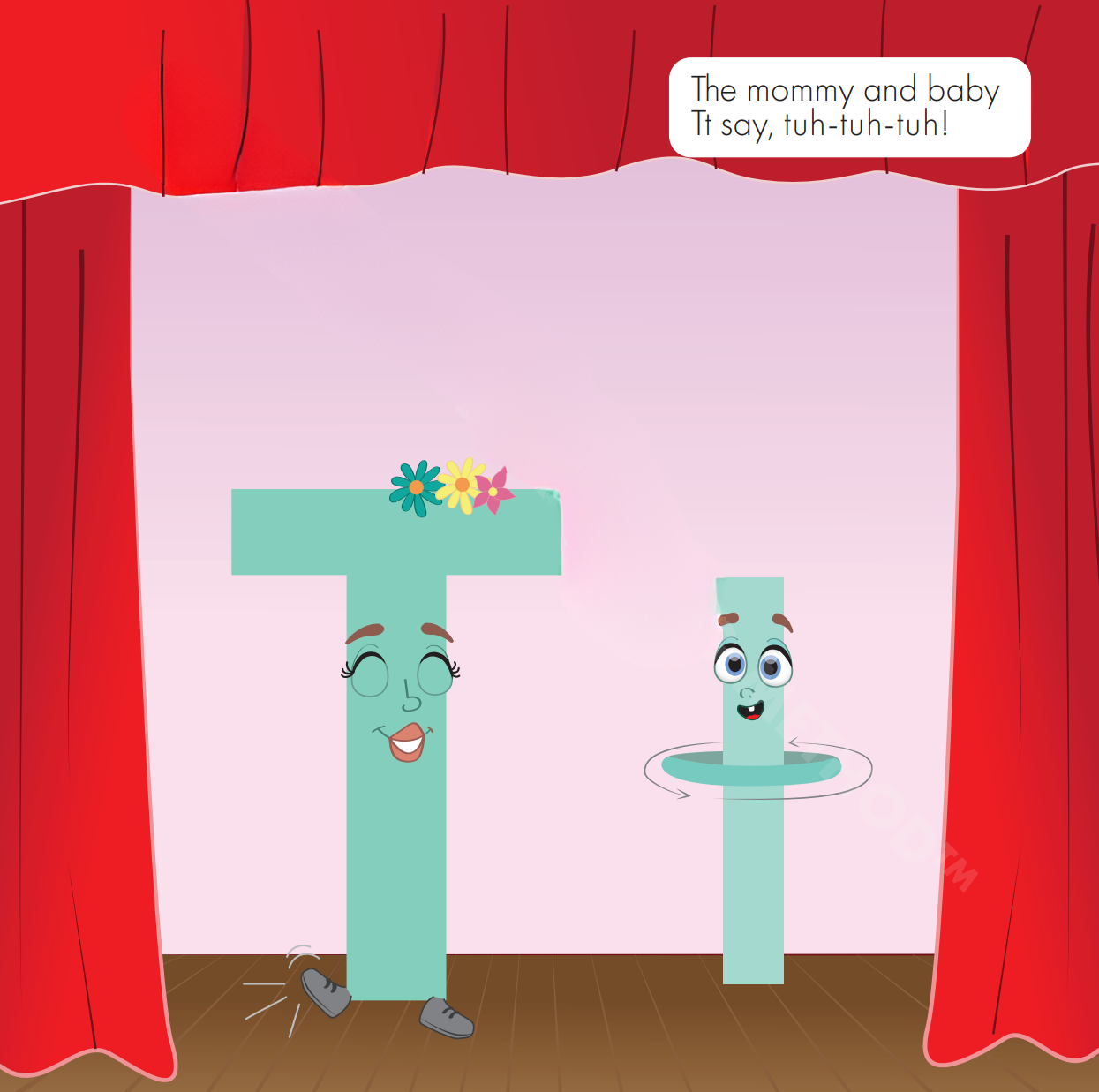
In our printed materials we have had to present the various sounds the consonants make with a vowel symbol shown after the consonant’s letter. For example “T” says “t uh” , “B” says “b uh”, “C” says “ku”. The vowel shown here should not be included in the phonetic sound taught to the child. It is just written to differentiate between the letter’s “name” and a sound it makes; just a slight bit of air passing through the lips or between the teeth, or tongue and teeth, depending on each consonant letter.
Why Video Is the Best Way to Learn Consonant Sounds
Because consonant sounds depend on:
air flow
voice vibration
tongue placement
lip position
teeth involvement
…they simply cannot be fully explained with letters on a page.
That’s why we always say:
The fastest, clearest way to learn the correct sounds is to watch demonstration videos, such as the ones provided on The Alexander Reading Method YouTube channel below.
http://www.youtube.com/@TheAlexanderReadingMethod
You're Not Alone — We're Here to Guide You
Teaching reading is a beautiful journey, and we love supporting you through each step.
Have fun watching, practicing, and exploring the world of letters and sounds with your little one.
Every small moment leads to confident, joyful reading.